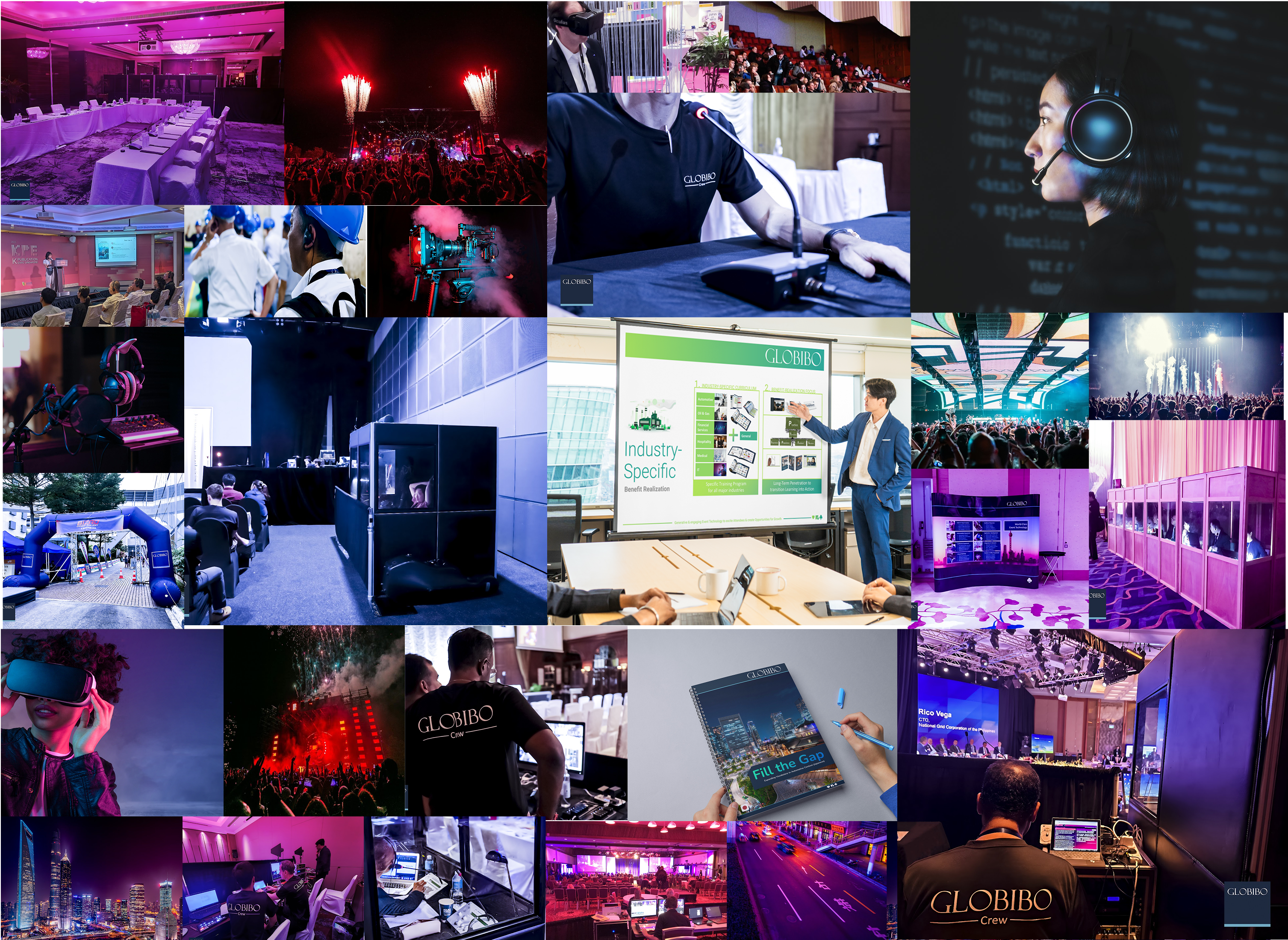
Simultaneous interpretation (SI) is a challenging and essential global communication process involving the real-time translation of spoken language from a source to a target language. This method is critical in international conferences, high-stakes meetings, and multinational events, enabling participants who speak different languages to understand each other seamlessly. This article delves into the technical aspects, benefits, and necessary components of simultaneous interpretation, highlighting its significance and the expertise required for effective implementation.
Understanding Simultaneous Interpretation
Simultaneous interpretation is a highly skilled practice where interpreters listen to a speaker’s message in one language and simultaneously convey it in another language to the target audience. This is achieved using specialized equipment, including headsets, microphones, and soundproof booths. The interpreters work in these booths, listening to the speaker through headsets and broadcasting their interpretation through a microphone to the audience’s headsets.
Key Components of Simultaneous Interpretation Systems
- Interpreters: Highly trained professionals fluent in both the source and target languages and knowledgeable about the subject matter.
- Soundproof Booths: Designed to provide a distraction-free environment, equipped with essential audio equipment.
- Microphones and Headsets: High-quality devices that ensure clear audio transmission for both speakers and interpreters.
- Transmitters and Receivers: Ensure the interpreted message is broadcast to the audience accurately and clearly.
- Technicians: Skilled operators who manage the technical aspects of the interpretation system to ensure smooth operation.

Simultaneous vs. Consecutive Interpretation
Simultaneous and consecutive interpretations are the two primary modes of language interpretation used in various settings.
Simultaneous Interpretation
- Process: The interpreter translates the speaker’s message in real-time as they speak.
- Equipment: Requires soundproof booths, high-quality microphones, headsets, and transmission systems.
- Usage: Ideal for large conferences, seminars, and events with multilingual participants.
- Benefit: Allows uninterrupted communication, maintaining the event’s flow without delays.
Consecutive Interpretation
- Process: The interpreter listens to a segment of the speech, then translates it after the speaker pauses.
- Equipment: Usually requires only a microphone and sometimes note-taking tools.
- Usage: Suitable for small group settings, such as business meetings, legal proceedings, and negotiations.
- Benefit: Provides more detailed interpretation, but can slow down the pace of the event.
Importance of Simultaneous Interpretation
Simultaneous interpretation is crucial for promoting effective communication and understanding among diverse linguistic and cultural contexts. It ensures inclusivity and equal participation by allowing all attendees to access information in their native language. This mode of remote interpretation is particularly beneficial in:
- International Conferences: Facilitates seamless interaction among participants from different countries.
- Diplomatic Meetings: Ensures precise communication in high-stakes political and diplomatic discussions.
- Multinational Corporate Events: Enhances engagement and collaboration among employees from various regions.

Real Statistics and Industry Impact of Simultaneous Interpretation Systems
- According to the International Association of Conference Interpreters (AIIC), the global market for language services, including interpretation, was valued at $46.9 billion in 2019 Huashu Wang (2019).
- The demand for interpretation services is expected to grow by 5.52% annually from 2020 to 2027 (Grand View Research, 2020).
- In the European Union, the interpretation industry employs over 10,000 professionals (European Commission, 2018).
Elements of a Successful Simultaneous Interpretation System
A successful simultaneous interpretation system incorporates several key elements to ensure precise and effective communication. Below are two structured lists detailing these components and the benefits of simultaneous interpretation.
Important Elements of Simultaneous Interpretation Systems
-
Interpreters:
- Expertise in source and target languages.
- In-depth knowledge of the subject matter.
- Ability to think quickly and accurately under pressure.
-
Soundproof Booths:
- Isolate external noise for clear audio.
- Equipped with high-quality microphones and headsets.
- Provide a comfortable environment for interpreters.
-
Microphones and Headsets:
- Ensure clear audio input from the speaker.
- Provide accurate sound for interpreters.
-
Transmitters and Receivers:
- Facilitate clear transmission of the interpreted message.
- High-quality devices to avoid audio distortion.
-
Technicians:
- Skilled in operating and troubleshooting equipment.
- Ensure smooth operation throughout the event.

Benefits of Simultaneous Interpretation
-
Enhances Multilingual Communication:
- Bridges language gaps.
- Promotes understanding and engagement among participants.
-
Increases Inclusivity:
- Ensures all participants have equal access to information.
- Supports participation from diverse linguistic backgrounds.
-
Maintains Event Flow:
- Allows real-time translation without interrupting the speaker.
- Keeps the event running smoothly.
-
Supports High-Stakes Communication:
- Essential for diplomatic and political discussions.
- Ensures precise and accurate interpretation.
Education and Training in Simultaneous Interpretation System
To become proficient in simultaneous interpretation, simultaneous interpreters must undergo rigorous training. Programs like the Simultaneous Interpreter Education program by Globibo offer comprehensive training to develop the necessary skills and knowledge.
Simultaneous Interpreter Education Program
- Theoretical Component:
- Interpreting methods and strategies.
- Language proficiency and subject matter expertise.
- Practical Component:
- Hands-on training in simulated real-world settings.
- Real-time interpretation practice.

The Globibo Simultaneous Interpreter Education program is ideal for aspiring interpreters and professionals looking to enhance their language skills. The program is structured to provide both theoretical knowledge and practical experience, ensuring that graduates are well-prepared for the demands of simultaneous interpretation.
Case Studies and Real-world Applications of Simultaneous Interpretation System
Simultaneous interpretation has been successfully implemented in various high-profile events and organizations. Here are some notable examples:
- United Nations (UN):
- The UN employs simultaneous interpretation in six official languages for all major meetings and assemblies.
- This ensures that delegates from different countries can participate fully in discussions (UN).
- European Union (EU):
- The European Parliament uses simultaneous interpretation in 24 official languages.
- This facilitates effective communication among representatives from member states Foteini Apostolou (2011).
- International Conferences:
- The World Economic Forum (WEF) utilizes simultaneous interpretation to accommodate its diverse, multilingual audience.
- This allows seamless interaction among global leaders and experts (WEF, 2019).
Simultaneous interpretation is an indispensable & tool for facilitating communication in a multilingual world. It enables effective interaction, promotes inclusivity, and supports high-stakes discussions. The success of simultaneous interpretation depends on the expertise of interpreters, the quality of equipment, and the support of skilled technicians.
By investing in quality interpretation services and training programs like those offered by Globibo, organizations can ensure accurate and efficient communication at their events. As the demand for interpretation services continues to grow, the importance of simultaneous interpretation in bridging language barriers and fostering global collaboration cannot be overstated.
YouTube Video on Simultaneous Interpretation

Susan Tan
Localization Expert
Email: susan.tan@globibo.com Case Study: Multilingual support for an event in multiple locations News: Interpretation services for an event production company, Multilingual support for a financial company in LA Portfolio: Corporate TrainingAcademic References for Simultaneous Interpretation
- Huashu Wang (2019). Global Market for Language Services.
- Grand View Research. (2020). Language Services Market Size, Share & Trends Analysis.
- Foteini Apostolou (2011). The Interpretation Industry in the European Union.
- Wikipedia Official Languages and Interpretation.
- World Economic Forum. (2019). Annual Meeting 2019 Report.
Key Articles of Simultaneous Interpretation
1 Simultaneous vs. Consecutive Interpretation Services
Interpretation services are primarily offered in two variants – Simultaneous and Consecutive. What do these different types of interpretation services offer..
2 Differences Between Consecutive Interpretation and Simultaneous Interpretation
In consecutive interpretation, the interpreter speaks after the speaker finishes a part of his or her speech.
3 Why It Is Important To Hire A Good Simultaneous Interpretation Company For International Seminars?
The entire process of simultaneous interpretation requires the highest levels of proficiency in both the source and target language to be able to provide the level of quality.
4 Simultaneous interpretation during COVID
Simultaneous interpretation is a live interpretation. It involves translating a speech or conversation from one language to another.
5 How Can You Ensure Superior Quality of Simultaneous Interpretation in a Conference?
How can you be certain about the superior quality of a corporate event when you hire a simultaneous interpretation service provider?
6 Remote Simultaneous Interpretation: Scalable and Flexible Way of Translation
Remote simultaneous interpretation refers to the process of live interpretation during an event or meeting.
7. Challenges and Solutions in Simultaneous Interpretation
Simultaneous interpretation (SI) is a highly demanding field within the language services industry, crucial for facilitating real-time communication in multilingual settings. This method allows interpreters to provide a translated message to an audience almost instantly, making it indispensable for international conferences, diplomatic meetings, and live broadcasts.
8. AI-Assisted Simultaneous Interpretation: The Future is Here
Simultaneous interpretation (SI) is a critical component of international communication, enabling real-time translation of spoken language during multilingual events such as conferences, diplomatic meetings, and global business negotiations.
9. The Importance of Cultural Context in Simultaneous Interpretation
Simultaneous interpretation, a crucial aspect of multilingual communication, involves translating spoken language in real-time. This process is not only about converting words from one language to another but also about understanding and conveying cultural nuances and contextual meanings.
10. Essential Skills for Professional Simultaneous Interpreters
Simultaneous interpretation is one of the most complex and demanding forms of language interpretation. It requires interpreters to translate spoken language in real-time while the speaker is still talking. This challenging task involves a blend of advanced linguistic capabilities, cognitive skills, technical proficiency, and professional ethics.
11. The Role of Technology in Enhancing Simultaneous Interpretation
Simultaneous interpretation (SI) is a specialized field within the broader realm of language interpretation, characterized by the real-time translation of spoken language. It is predominantly utilized in environments where immediate comprehension across different languages is crucial, such as international conferences, diplomatic meetings, and global seminars.
Globibo Services
Simultaneous Interpretation Transmitters
Simultaneous Interpretation Receivers
Simultaneous Interpretation Console
Simultaneous Interpretation Booth