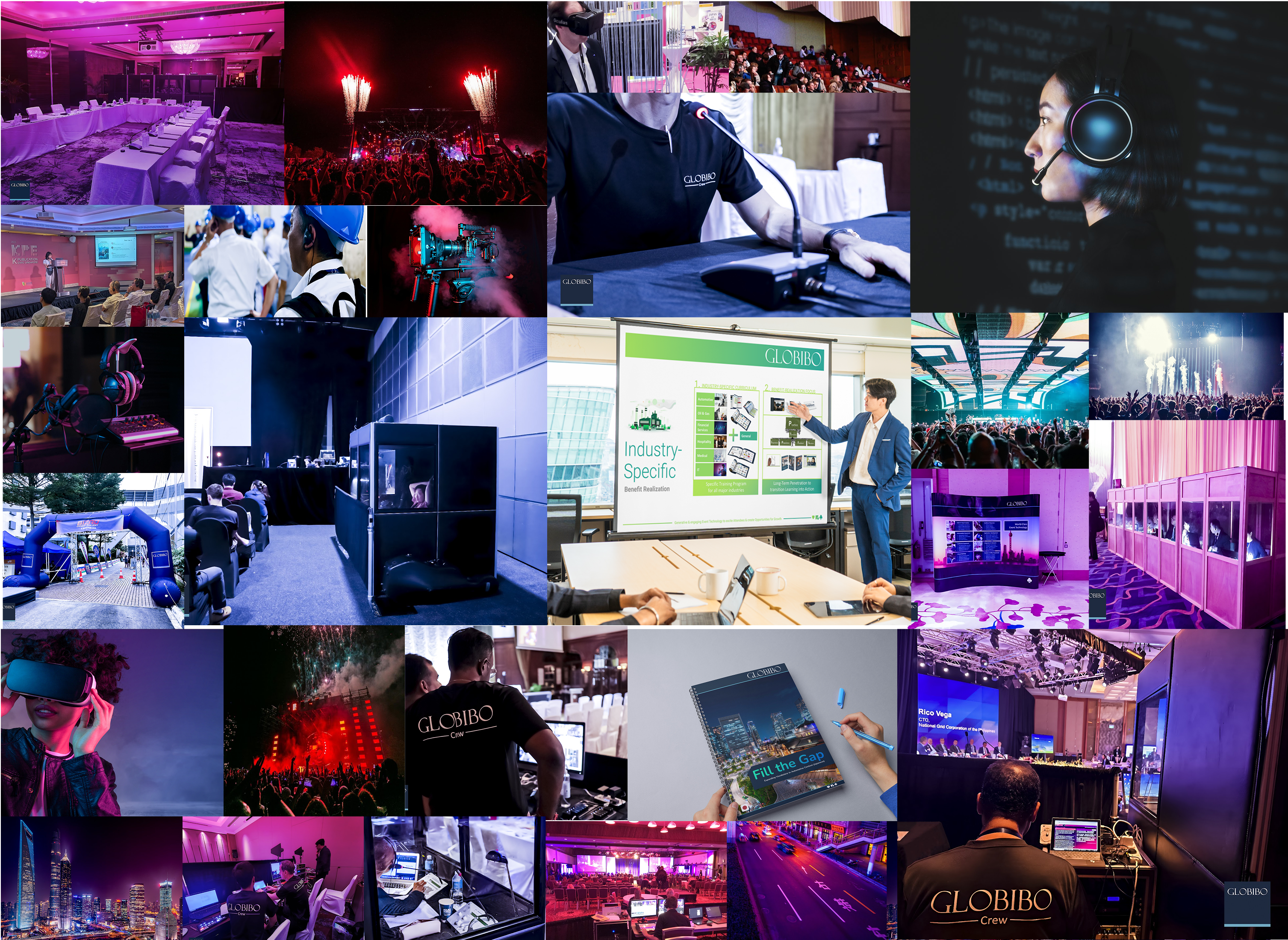
Artificial Intelligence (AI) is revolutionizing the events industry, offering powerful tools to enhance efficiency, personalize attendee experiences, and optimize event management processes. From predictive analytics to real-time attendee engagement, AI technologies are reshaping how events are planned, executed, and experienced.
Applications of AI in Events
1. Event Planning and Management
AI technologies streamline event planning and management processes, providing event organizers with powerful tools to optimize logistics, enhance decision-making, and improve overall efficiency:
- Automated Scheduling and Logistics: AI algorithms analyze historical data and real-time inputs to optimize event schedules and manage logistics seamlessly. From venue selection to transportation and accommodation arrangements, AI-driven systems ensure precise coordination, reducing human error and enhancing operational efficiency.
- Predictive Analytics: AI-powered predictive analytics forecast attendee turnout, preferences, and behaviors. By analyzing past attendee data, social media trends, and other relevant factors, AI helps event organizers anticipate demand, optimize resource allocation, and refine marketing strategies. Predictive models also assist in budget planning and risk management, ensuring events are financially viable and strategically positioned.
- Smart Resource Allocation: AI-driven insights enable efficient resource allocation based on real-time data analytics. Whether allocating staff, equipment, or promotional resources, AI algorithms optimize distribution to maximize ROI and enhance attendee satisfaction. Real-time monitoring and adjustments ensure resources are utilized effectively throughout the event lifecycle.
2. Attendee Engagement and Personalization
AI technologies personalize attendee experiences, fostering engagement and satisfaction by tailoring content, recommendations, and interactions based on individual preferences and behaviors:
- Personalized Recommendations: AI-powered recommendation engines analyze attendee profiles, preferences, and behavioral data to suggest relevant sessions, exhibitors, and networking opportunities. By delivering personalized agendas and notifications, event organizers enhance attendee engagement and facilitate meaningful connections.
- Real-time Feedback and Sentiment Analysis: AI tools monitor attendee feedback and sentiment in real-time, leveraging data from social media feeds, event apps, and surveys. Sentiment analysis algorithms gauge attendee reactions and emotions, enabling event organizers to identify trends, address concerns promptly, and optimize event dynamics for enhanced participant satisfaction.
- Interactive Chatbots and Virtual Assistants: AI-driven chatbots and virtual assistants provide instant attendee support, answering queries, providing event information, and facilitating seamless communication. Whether navigating event schedules, accessing resources, or troubleshooting issues, chatbots enhance attendee experiences by delivering timely and personalized assistance throughout the event lifecycle.
Impact of AI on Event Technology
1. AI-powered Event Technology Solutions
AI technologies are integral to modern event technology solutions, offering innovative tools and capabilities to enhance event management, security, and attendee experiences:
| Technology Solution | Description |
| Facial Recognition | Enhances security and streamlines check-in processes by identifying attendees via facial scans. |
| Chatbots | Provides instant attendee support, answers FAQs, and facilitates seamless communication. |
| Virtual Assistants | AI-driven assistants guide attendees through virtual and physical event spaces. |
| Augmented Reality (AR) | Integrates digital information with the physical environment, enhancing attendee experiences. |
| IoT Integration | Connects AI-powered devices and sensors for real-time data exchange and enhanced event management. |
2. Data Security and Privacy Considerations
AI-powered event technologies must prioritize data security and privacy to safeguard attendee information and comply with regulatory requirements:
| Security Measure | Description |
| Encryption Standards | Ensures data integrity and confidentiality through robust encryption protocols. |
| Compliance with GDPR | AI technologies adhere to GDPR regulations regarding data collection and processing. |
| Biometric Data Protection | Safeguards biometric data collected via facial recognition and other AI-driven technologies. |
| Incident Response Protocols | Establishes protocols for responding to data breaches or security incidents promptly. |
| Data Access Controls | Limits access to sensitive attendee data to authorized personnel and AI systems. |
Future Trends and Challenges
AI continues to evolve, presenting new opportunities and challenges for the events industry:
- Future Trends
- Integration of AI with IoT devices for seamless connectivity and data exchange.
- Advancements in natural language processing (NLP) for more intuitive attendee interactions.
- Expansion of AI-driven virtual and hybrid event platforms to accommodate diverse attendee preferences and global accessibility.
- Challenges
- Ensuring ethical use of AI in events, addressing concerns about data privacy, algorithmic bias, and transparency.
- Integration complexities and cost considerations for adopting AI technologies.
- Training event professionals to leverage AI tools effectively and ethically, enhancing skillsets to optimize event experiences.
Conclusion
The integration of AI in events represents a paradigm shift, empowering event organizers to innovate, personalize, and optimize attendee experiences in unprecedented ways. By harnessing AI technologies responsibly and strategically, event professionals can navigate complexities, mitigate risks, and capitalize on emerging opportunities to create memorable and impactful events in the digital age.
In summary, AI’s transformative impact on the events industry extends beyond operational efficiency to redefine attendee engagement, security, and overall event success. As AI technologies continue to advance, their integration promises to shape the future of events, enhancing accessibility, personalization, and global connectivity on a scalable and sustainable basis.
Academic References