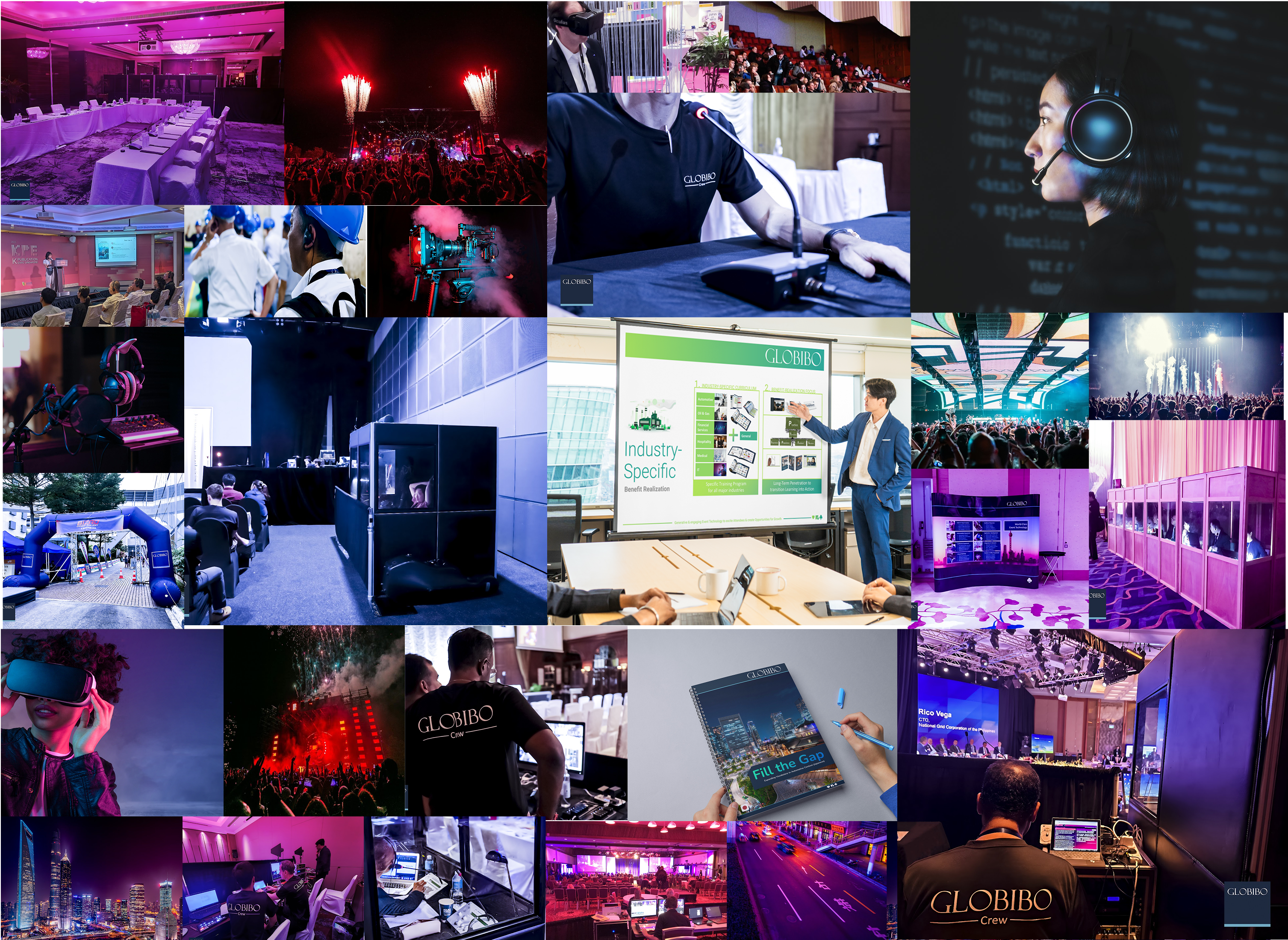
Tour guide translation systems have become indispensable tools for facilitating multilingual communication during guided tours, international conferences, and educational settings. These systems allow simultaneous translation in up to 32 languages, making them ideal for environments where participants speak different languages. This technical document will explore the intricacies of tour guide translation systems, their operational mechanisms, and their applications, supported by detailed explanations, statistics, and academic references.
How Tour Guide Translation Systems Work

Tour guide translation systems are designed to provide seamless, real-time translation during guided tours and events. The primary components of these systems include:
- Transmitter and Microphone: The tour guide or interpreter speaks into a hands-free microphone connected to a transmitter. The transmitter converts the spoken message into radio signals.
- Receiver and Headphones: Audience members use receivers equipped with headphones to listen to the translated message. The receivers pick up the radio signals and convert them back into audio.
- Interpreting Process: The interpreter listens to the speaker and simultaneously translates the message into the target language, speaking into the microphone. The translated message is then transmitted to the audience’s receivers.
Key Features and Benefits
Tour guide translation systems offer several features and benefits that enhance the user experience:
- Multilingual Support: Capable of translating up to 32 languages simultaneously, accommodating diverse audiences.
- Portability: Lightweight and easy to carry, suitable for both indoor and outdoor use.
- Ease of Use: Simple setup and operation, requiring minimal technical knowledge.
- Clear Audio Quality: High-fidelity audio transmission ensures clear and understandable translations.
- Flexibility: Applicable in various contexts, including conferences, educational settings, and tours.
Applications of Tour Guide Translation Systems
Tour guide translation systems are versatile and can be utilized in multiple contexts:
- International Conferences: Ensuring all participants can understand and engage in the proceedings, regardless of their language.
- Educational Institutions: Facilitating communication in universities with diverse student populations, enhancing the learning experience.
- Cultural Tours: Used in museums, galleries, and historical sites to provide multilingual tours.
- Religious Institutions: Supporting bilingual or multilingual services and tours in churches and other places of worship.
- Corporate Tours: Enhancing communication during factory tours, company visits, and other corporate events.
Technical Specifications
A typical tour guide translation system includes the following technical specifications:
- Frequency Range: The systems operate on specific frequency bands to avoid interference and ensure clear transmission.
- Battery Life: Long-lasting battery life, allowing for extended use during full-day tours or conferences.
- Range: Effective transmission range, typically up to 150 meters, suitable for various tour sizes and environments.
- Channels: Multiple channels to support simultaneous translations without cross-interference.
- Durability: Robust design to withstand outdoor conditions and frequent handling.
Advantages of Tour Guide Translation Systems
Tour guide translation systems offer several advantages:
- Enhanced Communication: Breaks down language barriers, allowing for effective communication between speakers and audiences.
- Inclusivity: Ensures that all participants, regardless of their language, can fully engage and understand the content being presented.
- Improved Engagement: Increases audience engagement and satisfaction by providing clear and understandable translations.
- Professionalism: Demonstrates a commitment to inclusivity and professionalism, enhancing the reputation of the organization or event.
Challenges and Solutions
While tour guide translation systems offer numerous benefits, they also present certain challenges:
- Interference: Potential for radio frequency interference in crowded or urban environments. Solution: Use systems with adaptive frequency-hopping technology to minimize interference.
- Battery Management: Ensuring that all devices are charged and ready for use. Solution: Implement a routine charging schedule and use systems with long battery life.
User Training: Ensuring that interpreters and users are familiar with the system’s operation. Solution: Provide comprehensive training and user manuals.
Components of a Tour Guide Translation System
-
Transmitter and Microphone
- Converts spoken messages into radio signals
- Hands-free operation for convenience
-
Receiver and Headphones
- Picks up radio signals and converts them back to audio
- High-fidelity audio quality
-
Interpreting Process
- Real-time translation by an interpreter
- Seamless transmission to audience receivers
Applications of Tour Guide Translation Systems
-
-
International Conferences
- Facilitates multilingual communication
- Supports up to 32 languages simultaneously
-
Educational Institutions
- Enhances learning in diverse classrooms
- Supports multilingual lectures and discussions
-
Cultural Tours
- Provides multilingual tours in museums and galleries
- Enhances visitor experience and understanding
-
Religious Institutions
- Supports bilingual or multilingual services
- Facilitates tours and events in churches and places of worship
-
Corporate Tours
- Enhances communication during company visits
- Demonstrates professionalism and inclusivity
-
Conclusion

Tour guide translation systems are essential tools for facilitating multilingual communication in various settings. Their ability to provide real-time translation in multiple languages enhances inclusivity, engagement, and professionalism. With proper setup, user training, and management, these systems can significantly improve the experience of guided tours, conferences, and educational events.
Academic Reference for Tour Guide Translation Systems
- Machine translation systems and guidebooks: an approach to the importance of the role of the human translator
- The Analysis of a Tour Guide Yong Ding Earth Building Based on Systemic Functional Grammar.
- Analysis of Tour Guide: Interpretation in China
- Tour guides and the transnational promotion of human rights: Agency, structure and norm translators in responsible travel
- Problems of Language Use in the Translation of Tourist Brochures: The Systemic Functional Grammar as a Serviceable Tool for Translational Decisions
- Tourism Translation
- [PDF] Interpretation Strategies Used by Iranian Tour Guides in Translating Cultural Specific Items: A Discourse Analysis Perspective
- Tour guide communication competence: French, German and American tourists’ perceptions
- Web and mobile based tourist travel guide system for fiji’s tourism industry