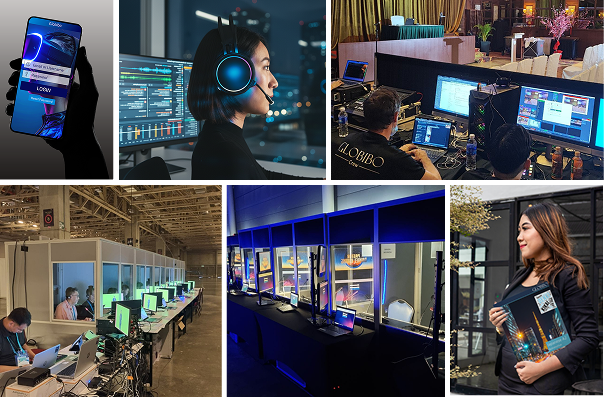
Freelance interpreters play a crucial role in facilitating effective communication across language barriers in various professional settings. These skilled language professionals provide real-time interpretation services to bridge linguistic gaps and enable smooth interactions between individuals or groups who speak different languages. In this article, we will unveil the facts about freelance interpreters, shedding light on their expertise, benefits, and the growing demand for their services.
Table of Contents
Introduction
The Role and Expertise of Freelance Interpreters
Versatility and Specialization
Benefits of Hiring Freelance Interpreters
Growing Demand for Freelance Interpreters
Ensuring Quality and Professionalism
Conclusion
FAQs
Introduction
In a globalized world where cross-cultural communication is vital, freelance interpreters serve as valuable assets. They possess the linguistic skills, cultural knowledge, and interpreting expertise required to facilitate effective communication in diverse professional settings. Let’s explore the facts about freelance interpreters and the significant contributions they make.
1. The Role and Expertise of Freelance Interpreters
Freelance interpreters are language interpreters who provide interpretation services on a freelance basis. Their primary role is to convey spoken messages accurately and effectively between two or more languages. They work in various settings, including conferences, business meetings, legal proceedings, medical appointments, and diplomatic events, ensuring seamless communication and understanding among participants.
Freelance interpreters possess exceptional language proficiency in both the source and target languages, allowing them to interpret in real-time with minimal delay or distortion. They have extensive knowledge of cultural nuances, idiomatic expressions, and professional jargon, enabling them to convey the intended meaning faithfully while considering the cultural context.
2. Versatility and Specialization
Freelance interpreters demonstrate versatility and adaptability in their work. They are proficient in different modes of interpretation, including consecutive interpretation (interpreting after the speaker finishes), simultaneous interpretation (interpreting in real-time while the speaker is speaking), and whispered interpretation (providing simultaneous interpretation to a small group or individual).
Many freelance interpreters also specialize in specific industries or subject areas. They undergo rigorous training and gain experience in fields such as legal, medical, business, technical, or conference interpretation. This specialization ensures that they possess the necessary subject matter expertise to accurately interpret complex terminology and concepts.
Check out Globibo Behance portfolio https://www.behance.net/gallery/172031817/Globibo-Conference-Interpretation
3. Benefits of Hiring Freelance Interpreters
Hiring freelance interpreters offers several benefits. First and foremost, they bridge language gaps, allowing individuals who speak different languages to communicate effectively. This is essential for international business transactions, conferences, negotiations, and other situations where accurate and clear communication is paramount.
Freelance interpreters enable real-time communication, facilitating smooth and efficient interactions. They help build trust and foster relationships by ensuring that participants understand and are understood in their native languages. This enhances engagement, minimizes misunderstandings, and promotes effective collaboration.
Moreover, freelance interpreters bring cultural sensitivity to their work. They are attuned to cultural nuances and adapt their interpreting style and approach accordingly. This cultural sensitivity promotes inclusivity, respect, and understanding among participants, making it easier to navigate cross-cultural interactions and fostering successful communication outcomes.
4. Growing Demand for Freelance Interpreters
The demand for freelance interpreters is on the rise. Globalization has led to increased international collaboration, trade, and cultural exchange, creating a greater need for effective language services. The expansion of multinational companies, international conferences, and global events has further fueled the demand for skilled freelance interpreters who can facilitate communication across languages and cultures.
Additionally, advancements in technology have expanded the reach of freelance interpreters. Remote interpreting services, such as video conferencing platforms and telephone interpretation, allow freelance interpreters to provide their services from anywhere in the world, further increasing their accessibility and availability.
5. Ensuring Quality and Professionalism
To ensure quality interpretation services, it is essential to hire professional freelance interpreters. Look for interpreters with relevant qualifications, certifications, and experience in the required domain. Professional interpreters adhere to a strict code of ethics and maintain confidentiality during interpreting assignments.
Working with reputable language service providers or engaging interpreters who are members of professional interpreting associations can help ensure the quality and professionalism of the interpretation services. These organizations often have rigorous admission criteria and provide ongoing professional development opportunities for interpreters.
6. Conclusion
Freelance interpreters are indispensable in enabling effective communication across languages and cultures. Their expertise, versatility, and cultural sensitivity contribute significantly to successful interactions in various professional settings. As the demand for global communication continues to grow, freelance interpreters play a vital role in bridging language gaps and fostering understanding among individuals and organizations worldwide.
For
More Details Visit: https://www.globibo.com/
FAQs
Q: What is the role of freelance interpreters?
A: Freelance interpreters facilitate effective communication by conveying spoken messages accurately and effectively between individuals or groups who speak different languages. They work in various professional settings, ensuring seamless understanding and interaction.
Q: What are the specializations of freelance interpreters?
A: Freelance interpreters often specialize in specific industries or subject areas, such as legal, medical, business, technical, or conference interpretation. This specialization equips them with the necessary subject matter expertise to accurately interpret complex terminology and concepts.
Q: Why hire freelance interpreters?
A: Hiring freelance interpreters enables effective communication, bridges language gaps, builds trust, fosters relationships, and promotes successful interactions. They bring cultural sensitivity, adaptability, and expertise to ensure accurate and clear communication in diverse professional settings.
Q: Why is there a growing demand for freelance interpreters?
A: Globalization, increased international collaboration, and advancements in technology have fueled the demand for freelance interpreters. The expansion of multinational companies, international conferences, and global events requires skilled interpreters to facilitate communication across languages and cultures.
Q: How can one ensure the quality of interpretation services?
A: To ensure quality interpretation services, it is important to hire professional freelance interpreters. Look for interpreters with relevant qualifications, certifications, and experience in the required domain. Working with reputable language service providers or interpreters who are members of professional interpreting associations can also ensure professionalism and adherence to ethical standards.
Q: How do freelance interpreters contribute to successful communication?
A: Freelance interpreters contribute to successful communication by bridging language gaps, enabling real-time interaction, fostering relationships, promoting understanding, and ensuring cultural sensitivity. Their expertise and adaptability play a crucial role in facilitating effective communication across languages and cultures.