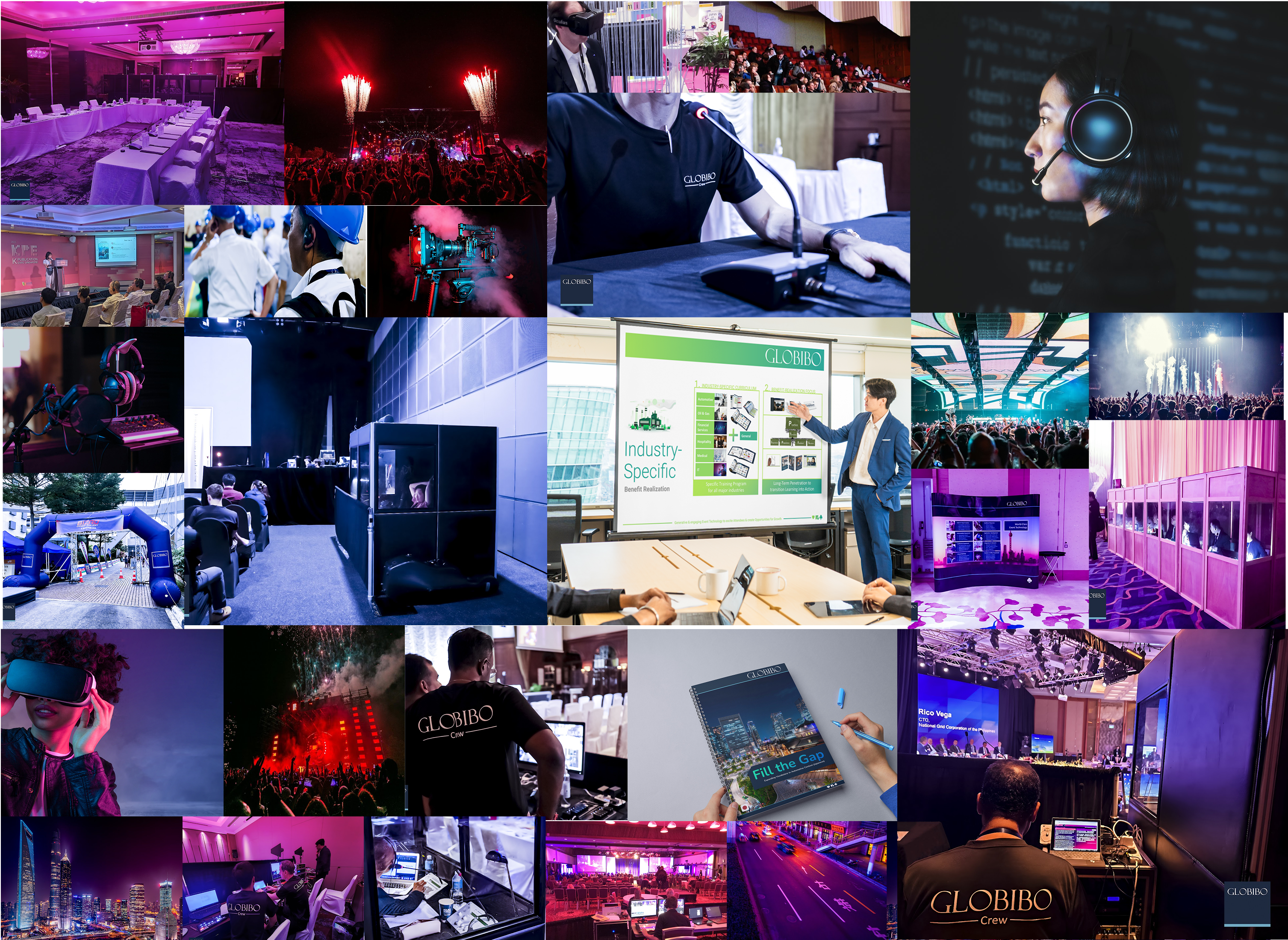
Hybrid events—integrating both in-person and virtual elements—have become a cornerstone of modern event planning. These events provide flexibility and access to a global audience, presenting unique challenges and opportunities. A critical component for the success of hybrid events is the effective deployment of interpretation equipment. This equipment facilitates seamless multilingual communication, essential for ensuring all participants, regardless of their language, can fully engage with the event’s content. This comprehensive guide explores the role of interpretation equipment in hybrid events, examining various types, technical details, best practices, and real-world applications.
The Significance of Interpretation Equipment in Hybrid Events
Bridging Language Barriers
Hybrid events often attract a diverse audience with varying language preferences. Interpretation equipment plays a pivotal role in overcoming language barriers, enabling effective communication between participants who speak different languages. This inclusivity is crucial for fostering collaboration, sharing knowledge, and ensuring all attendees can participate actively in discussions, presentations, and networking opportunities.
Enhancing Accessibility and Compliance
Ensuring accessibility is a key consideration for hybrid events. Many jurisdictions have legal requirements for providing language access services to accommodate participants with limited proficiency in the primary language of the event. Interpretation equipment helps organizations meet these requirements, promoting a more inclusive environment and ensuring compliance with accessibility standards and regulations.
Improving Overall Event Experience
High-quality interpretation services contribute significantly to the overall participant experience. Clear and accurate translations enhance engagement, satisfaction, and interaction among attendees. Whether participants are attending in person or virtually, effective interpretation ensures that language differences do not hinder their ability to understand and contribute to the event.
Types of Interpretation Equipment
1. Simultaneous Interpretation Systems
Simultaneous interpretation involves real-time translation of spoken content, allowing interpreters to deliver translations as the speaker talks. This system is essential for large-scale events where immediate and accurate communication is crucial.
Components of Simultaneous Interpretation Systems:
- Interpreter Consoles: These devices allow interpreters to listen to the original audio feed and provide translations in real-time. Key features include:
- Volume Control: Adjusts the audio levels of the original speech and the interpreter’s voice.
- Microphone Management: Controls the microphone used by the interpreter to ensure clear and uninterrupted translation.
- Audio Channel Selection: Allows interpreters to switch between different language channels if multiple languages are being interpreted.
- Transmitters and Receivers: These components transmit the interpreter’s audio feed to the audience. Receivers are typically distributed to attendees who need translations, allowing them to listen through headphones. Important features include:
- Range and Coverage: Determines the effective distance the signal can travel, which is crucial for large venues.
- Signal Clarity: Ensures that the audio is clear and free from interference.
- Infrared and FM Systems: These systems broadcast the interpretation feed to receivers using different technologies:
- Infrared Systems: Use light waves to transmit signals. They are often preferred for indoor events due to their high sound quality and minimal interference.
- FM Systems: Use radio frequencies to broadcast the signal. They are suitable for larger venues and outdoor events due to their broader coverage and flexibility.
Key Features of Simultaneous Interpretation Systems
- Interpreter Consoles:
- Volume control
- Microphone management
- Audio channel selection
- Built-in audio monitoring
- Transmitters and Receivers:
- Transmission range
- Signal clarity
- Battery life and power options
- Receiver ergonomics
- Infrared Systems:
- Signal range and quality
- Lightwave technology
- Line-of-sight requirements
- Interference resistance
- FM Systems:
- Frequency range
- Reception quality
- Interference resistance
- Coverage area
2. Consecutive Interpretation Systems
Consecutive interpretation involves translating spoken content after the speaker has finished talking. This method is less reliant on complex technology and is often used for smaller or more intimate settings.
Components of Consecutive Interpretation Systems:
- Portable Audio Equipment: Includes handheld microphones and portable transmitters suitable for smaller events or specific segments. Key aspects include:
- Microphone Quality: Ensures clear audio capture for accurate translation.
- Transmission Range: Affects how well the audio is broadcasted to the audience.
- Recording Devices: Used to capture and replay speeches for subsequent translation or clarification. Key features include:
- Audio Clarity: Ensures that recorded audio is clear and understandable.
- Storage Capacity: Determines how much audio can be recorded and stored.
- Playback Options: Allows for easy review and editing of recorded material.
Key Features of Consecutive Interpretation Systems
- Portable Audio Equipment:
- Microphone quality
- Transmission range
- Battery life
- Portability and ease of use
- Recording Devices:
- Audio clarity
- Storage capacity
- Playback options
- Ease of data transfer
3. Remote Interpretation Solutions
With the rise of virtual events, remote interpretation has become increasingly important. This solution enables interpreters to work from remote locations and provide translations to online participants.
Components of Remote Interpretation Solutions:
- Web-Based Platforms: Platforms like Zoom and Microsoft Teams can integrate with interpretation services to facilitate virtual events. Important features include:
- Integration Capabilities: How well the platform integrates with interpretation tools and services.
- User Interface: Ease of use for both interpreters and participants.
- Audio and Video Quality: Ensures clear and reliable communication during the event.
- Virtual Interpretation Software: Specialized software designed for real-time interpretation in virtual environments. Key features include:
- Real-Time Translation Support: Provides immediate translation services during the event.
- Language Channel Management: Allows for the management of multiple language channels.
- Technical Support Features: Includes tools for troubleshooting and ensuring smooth operation.
Key Features of Remote Interpretation Solutions
- Web-Based Platforms:
- Integration with interpretation services
- User interface design
- Audio and video quality
- Security features
- Virtual Interpretation Software:
- Real-time translation capabilities
- Language channel management
- Technical support and troubleshooting
- User accessibility features
4. Hybrid Interpretation Systems
Hybrid interpretation systems combine elements of simultaneous and consecutive interpretation to accommodate complex event requirements. These systems support both in-person and virtual components, offering flexibility and versatility.
Components of Hybrid Interpretation Systems:
- Integrated Audio-Visual Systems: Combine audio feeds with video conferencing tools, facilitating both in-person and virtual interpretation. Key aspects include:
- Audio-Visual Synchronization: Ensures that audio and video are properly aligned for all participants.
- Multi-Channel Support: Allows for the broadcasting of multiple languages simultaneously.
- Multi-Channel Audio Systems: Support the simultaneous broadcast of multiple languages, catering to a diverse audience. Important features include:
- Channel Management: Controls and manages different language channels.
- Broadcast Quality: Ensures clear and uninterrupted audio transmission.
Key Features of Hybrid Interpretation Systems
- Integrated Audio-Visual Systems:
- Audio-visual synchronization
- Integration with existing event technology
- Multi-channel support
- Flexibility and adaptability
- Multi-Channel Audio Systems:
- Channel management
- Language options
- Audio broadcast quality
- System scalability
Best Practices for Using Interpretation Equipment
Planning and Preparation
- Assess Event Requirements:
- Determine the number of languages to be interpreted and the type of interpretation required (simultaneous, consecutive, or remote).
- Evaluate the size of the audience and the technical needs based on the event’s format and scope.
- Choose Appropriate Equipment:
- Select equipment that matches the specific needs of the event. Consider factors such as venue size, participant numbers, and technological compatibility.
- Ensure the equipment integrates well with other event technologies and infrastructure.
- Test Equipment Thoroughly:
- Conduct extensive pre-event testing to identify and resolve potential issues.
- Simulate the event environment to ensure that all equipment functions correctly and meets performance standards.
Implementation and Management
- Coordinate with Interpreters:
- Provide interpreters with comprehensive training and familiarize them with the event’s content, terminology, and technology.
- Ensure interpreters have access to high-quality equipment and support throughout the event.
- Monitor Equipment Performance:
- Continuously monitor the performance of interpretation equipment during the event to address any technical issues promptly.
- Assign technical support staff to manage equipment and troubleshoot any disruptions.
- Gather Feedback:
- Collect feedback from participants and interpreters to assess the effectiveness of the interpretation services.
- Use feedback to make improvements for future events and address any issues that arise.
Case Study: Successful Implementation of Interpretation Equipment in a Hybrid Event
| Aspect | Details |
| Event Type | International Conference on Climate Change |
| Languages | English, Spanish, French, Mandarin |
| Interpretation Type | Simultaneous Interpretation for all languages; Remote Interpretation for virtual attendees |
| Equipment Used | Infrared simultaneous interpretation system for in-person attendees; Web-based platform with virtual channels for remote interpretation |
| Challenges | Technical difficulties with remote interpretation integration; Ensuring high-quality audio in large venues |
| Solutions | On-site technical support team; Pre-event equipment testing and virtual platform training for interpreters |
| Outcome | Smooth communication across all languages; Positive feedback from both in-person and virtual participants |
Analysis:
- Event Type: The International Conference on Climate Change required sophisticated interpretation solutions due to its international scope and diverse topics.
- Languages: The event involved multiple languages, necessitating both simultaneous and remote interpretation.
- Interpretation Type: The combination of simultaneous and remote interpretation ensured comprehensive coverage for all attendees.
- Equipment Used: Infrared systems facilitated high-quality audio for in-person attendees, while web-based platforms supported virtual participants.
- Challenges and Solutions: Addressing technical issues and ensuring equipment reliability were crucial for maintaining event quality. On-site support and thorough testing were key to overcoming challenges.
The Role of Interpretation Equipment in Hybrid Events Summary
The role of Interpretation Equipment in Hybrid Events is integral to the success of hybrid events, playing a critical role in bridging language gaps, enhancing accessibility, and improving participant experience. Understanding the various types of interpretation equipment, adhering to best practices, and learning from real-world applications are essential for ensuring that hybrid events are inclusive, engaging, and smoothly executed. As the demand for hybrid events continues to grow, investing in advanced interpretation solutions will remain crucial for achieving effective communication and engagement across diverse audiences.
By implementing the best practices outlined in this article and utilizing the appropriate equipment, event organizers can ensure that their hybrid events meet the highest standards of multilingual communication and inclusivity.
Academic References on Role of Interpretation Equipment in Hybrid Events
- From hybrid events to the next generation-interactive virtual events: Viewed from three different stakeholders’ point of view
- [HTML] Hybrid events as a sustainable Educational Approach for Higher Education
- Emerging standards and the hybrid model for organizing scientific events during and after the COVID-19 pandemic
- Recommendations for designing hybrid conferences
- Hybrid and virtual conferencing modes versus traditional face-to-face conference delivery: A conference industry perspective
- Bridging the hybridity gap: connecting online and onsite participants through peer learning circles at hybrid events
- CABARET: rule interpretation in a hybrid architecture
- Online, offline, hybrid: Methodological reflection on event ethnography in (post-) pandemic times
- [HTML] Core hybrid Event-B I: single hybrid Event-B machines