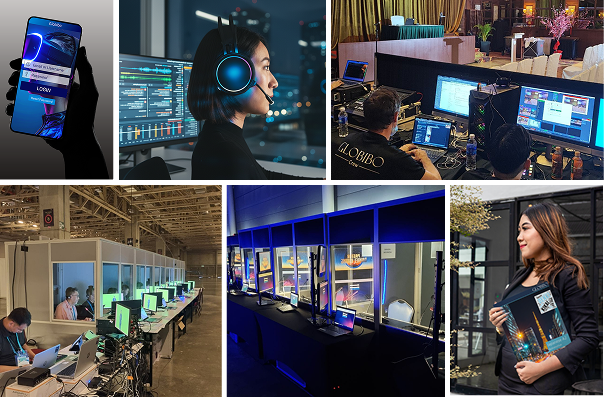
In an increasingly interconnected world, high-stakes events such as international summits, diplomatic negotiations, and business conferences often require seamless communication across multiple languages. The success of these events depends heavily on effective interpretation, ensuring that every participant is able to understand and be understood. Here, the role of a conference interpreter becomes indispensable.
Conference interpreters are experts who provide real-time translation in large, multilingual events, enabling effective communication between participants speaking different languages. Whether the event involves political leaders, diplomats, business executives, or experts in a particular field, the selection of the right interpreter can make or break the success of such events.
Given the high pressure of these events, where every word matters, it is critical to understand the different qualifications, methods, and strategies for choosing the best interpreter for your needs. This article will provide a detailed guide to selecting the right conference interpreter for high-stakes events, with particular emphasis on their qualifications, experience, technical considerations, and best practices for ensuring effective communication.
Understanding the Role of a Conference Interpreter
A conference interpreter is a highly skilled professional who translates spoken language in real time. Unlike translators who work with written documents, conference interpreters translate oral communication during live events. They play a crucial role in multilingual conferences, international summits, bilateral talks, and negotiations where participants speak different languages. Their work involves interpreting not just words, but cultural context, tone, and sometimes even non-verbal cues.
Conference interpreters must handle high-pressure environments where clarity, accuracy, and confidentiality are paramount. The stakes are often high in these settings, and even a small misunderstanding can have serious consequences, such as diplomatic missteps or business disputes.
Key Responsibilities of a Conference Interpreter
- Real-time Interpretation: The core responsibility of a conference interpreter is to interpret the speaker’s message in real time, without significant delays. This requires a high degree of fluency and accuracy in both the source and target languages.
- Maintaining Context and Nuance: Conference interpreters must capture the essence and tone of what is being said, rather than providing a word-for-word translation. This includes understanding cultural nuances, idiomatic expressions, and the overall context of the conversation.
- Confidentiality: Interpreters in high-stakes events often deal with sensitive information. Maintaining confidentiality is essential, as they may be privy to strategic discussions, confidential business details, or sensitive political negotiations.
- Handling Stress: Conference interpreters are accustomed to working under intense pressure. Their ability to stay focused and composed while interpreting for multiple hours at a time, in fast-paced settings, is critical for success.

Why Choosing the Right Conference Interpreter is Crucial
In any high-stakes event, miscommunication can have severe consequences. Poor interpretation can lead to misunderstandings, broken deals, and damaged relationships between participants. In diplomatic settings, inaccurate translation can even escalate conflicts or damage international relations. Therefore, selecting the right conference interpreter is not just important – it is critical.
Consequences of Poor Interpretation
- Diplomatic Fallout: A diplomatic summit or international peace talks can hinge on the precise meaning of a single sentence. If the interpretation is wrong, it could lead to misunderstandings that have political or diplomatic consequences.
- Business Risks: In business conferences, poor interpretation could result in missed opportunities, failed negotiations, or misrepresented contracts that could have financial repercussions.
- Legal Ramifications: In legal conferences or international arbitration, misinterpretations can alter the outcome of a case, potentially leading to legal disputes or financial losses.
- Misinformation: In scientific, medical, or technical conferences, incorrect translations could lead to misinformation being spread to audiences, potentially affecting public health or safety.

Ensuring Effective Communication
The key to successful interpretation is finding an interpreter who is not only linguistically proficient but also culturally aware, subject-matter expert, and capable of handling the specific pressures of the event. The ideal interpreter must be able to translate nuanced language, technical jargon, and cultural context accurately while ensuring that the speakers’ intentions and tone are maintained.
Key Qualifications and Skills of a Conference Interpreter
Choosing the right conference interpreter requires an understanding of the key qualifications and attributes that make an interpreter suitable for high-stakes events. These qualifications extend beyond just being bilingual or multilingual. To ensure the interpreter is capable of handling complex and sensitive situations, they must meet specific standards.

Language Proficiency
At the heart of a conference interpreter’s work is their command over the source and target languages. However, proficiency in these languages involves much more than fluency in basic conversation.
Native-Level Fluency
A conference interpreter must be fluent in both the source and target languages, with an understanding of regional dialects, accents, and colloquialisms. Often, an interpreter’s proficiency is evaluated by their ability to interpret complex topics with ease, which is crucial in high-stakes events where precision is paramount.
Advanced Vocabulary and Terminology
In specialized events such as business meetings, medical conferences, or legal negotiations, the interpreter must be familiar with specific terminology in the field. An interpreter with expertise in the industry or subject matter ensures that they don’t misinterpret terms that could alter the meaning of the conversation.
Cultural Sensitivity
Cultural context is critical in interpretation. Even if the interpreter is fluent in the languages involved, they must also understand the cultural connotations behind certain phrases, gestures, and expressions. This requires an in-depth understanding of both the cultures and how they influence communication styles.
Formal Training and Certification
Conference interpreting is a specialized skill that requires formal training. Many reputable conference interpreters have completed academic programs or certifications that focus on this skill set.
Academic Qualifications
Many interpreters hold university degrees in translation and interpretation, often specializing in conference interpretation. These programs teach linguistic theory, interpreting techniques, and how to handle high-pressure situations in live settings.
Certification from Professional Organizations
To ensure that an interpreter has met the necessary standards, it is often advisable to hire someone who has certification from professional organizations. For example, the International Association of Conference Interpreters (AIIC) provides certification to interpreters who have demonstrated exceptional skills in high-stakes settings. Additionally, certification bodies such as the American Translators Association (ATA) or the Institute of Translation and Interpreting (ITI) also provide credentials for qualified interpreters.
Subject Matter Expertise
While general language skills are crucial, an interpreter working at a high-stakes event must also have expertise in the subject matter being discussed. This ensures that they can understand and accurately interpret specialized terminology and concepts that are specific to the industry or field in question.
Industry-Specific Expertise
For example, an interpreter at a medical conference should be familiar with medical terminology, treatments, pharmaceuticals, and other scientific terminology. Similarly, legal interpreters should understand legal processes and jargon.
Terminology Familiarity
An interpreter with industry-specific knowledge ensures that jargon, abbreviations, and technical language are accurately interpreted, preventing misunderstandings that could be critical in such high-stakes environments.
Experience in High-Stakes Events
Interpreting for high-stakes events is different from interpreting in less pressured settings. Interpreters with experience working at high-profile events are better equipped to handle the demands of live, high-pressure environments.
Ability to Work Under Pressure
High-stakes events often involve tight schedules, multiple speakers, and complex discussions. An interpreter with experience will be able to maintain focus, accuracy, and clarity even in stressful environments.
Familiarity with Event Formats
Large conferences may require simultaneous interpreting, whereas smaller events may require consecutive interpreting. Experienced interpreters know when to use each method and how to navigate technical equipment used in these settings.
Previous High-Profile Assignments
Consider the interpreter’s track record in working with similar high-profile clients or events. References and testimonials from past clients will give insight into how the interpreter performs under pressure.
Technical Proficiency
In modern high-stakes events, the use of technology is indispensable. Conference interpreters must be comfortable with various interpreting technologies, particularly simultaneous interpretation systems.
Simultaneous Interpretation Equipment
Simultaneous interpreting requires specialized equipment such as booths, headsets, microphones, and receivers. An interpreter who is proficient with this technology ensures that the interpretation process is seamless, minimizing distractions for the audience.
Remote Interpretation Tools
In today’s world of virtual events, remote interpretation has become increasingly important. A qualified interpreter should be familiar with online platforms, such as Zoom or Microsoft Teams, as well as dedicated virtual interpretation tools. They should also know how to troubleshoot common technical issues that could arise during remote sessions.
Types of Conference Interpreting
Understanding the different types of interpreting will help you determine which one is best suited to your event. The two most commonly used types in high-stakes events are simultaneous and consecutive interpreting.
Simultaneous Interpreting
Simultaneous interpreting involves translating the speaker’s message into another language in real-time. This mode requires the interpreter to listen and speak at the same time, without interrupting the speaker.

Equipment Requirements
Simultaneous interpreting requires specific equipment, such as:
- Interpreter Booths: These are soundproofed booths where interpreters sit, ensuring they are not distracted by background noise.
- Headsets and Microphones: The audience listens to the interpretation through headsets, and the interpreter uses microphones to speak.
- Consoles: Interpreters use consoles to adjust audio settings and select channels for different languages.
Use Cases
This type of interpretation is most effective for large international conferences, summits, and events where multiple languages are spoken. It is fast-paced and requires interpreters to be highly skilled in handling rapid-fire exchanges.
Consecutive Interpreting
In consecutive interpreting, the interpreter waits for the speaker to finish their statement before providing a translation. This mode typically requires more time than simultaneous interpreting but allows for more detailed and accurate translations.
Equipment Requirements
While consecutive interpreting requires less technical equipment, interpreters may use note-taking tools to help them remember key points while interpreting.
Use Cases
This mode is often used in smaller meetings, bilateral talks, and legal proceedings where precision and detail are essential.
Whispered Interpretation (Chuchotage)
Whispered interpretation is a form of simultaneous interpreting where the interpreter provides the translation to a small group of people without the use of equipment. The interpreter speaks softly to the listeners, translating the speaker’s message as it is delivered.
Use Cases
This technique is often used for small, intimate meetings where only a few people need interpretation, such as one-on-one negotiations or small group discussions.
Relay Interpretation
Relay interpreting involves the use of multiple interpreters and languages. If direct interpretation between two languages is not available, the message is first interpreted into a common language and then translated into the target language.
Use Cases
Relay interpreting is common in multilingual events where multiple languages are involved, and not all interpreters are available for every language combination.
How to Evaluate and Select the Right Conference Interpreter
Given the high stakes involved, selecting the right conference interpreter requires careful evaluation. Here are the most important steps in evaluating potential interpreters:
Researching Qualifications and Experience
Ensure that the interpreter has the required qualifications, including language proficiency, formal education, certifications, and experience in the specific field related to your event. Ask for their résumé and details of past assignments.
Conducting Interviews and Trials
Arrange interviews with potential interpreters to assess their communication skills, experience, and cultural sensitivity. Many interpreters will be happy to perform trial runs to demonstrate their skills. Pay attention to their understanding of the event’s subject matter and ability to handle technical terms.
Asking for References
Check the interpreter’s references from previous clients to verify their ability to handle high-pressure situations, ensure reliability, and provide accurate translations.
Ensuring Technological Compatibility
Verify the interpreter’s familiarity with the technology used at your event. For large conferences, this could include interpreting booths, microphones, and simultaneous interpretation equipment. For virtual events, confirm the interpreter’s comfort with video conferencing platforms and virtual interpretation tools.
Coordinating Teamwork for Larger Events
If your event involves a team of interpreters, ensure that they work well together and have experience collaborating in high-pressure environments. Communication between interpreters is critical to maintaining smooth transitions and accuracy in simultaneous interpreting.
Conference Interpreter Summary
Selecting the right conference interpreter services for high-stakes events is a critical decision that can influence the success of your event. The ideal interpreter must possess linguistic fluency, subject-matter expertise, cultural sensitivity, and the ability to work under pressure. With the right preparation, selection process, and coordination, you can ensure that your event proceeds smoothly, with no communication barriers hindering the exchange of ideas.
The key to making the right choice lies in understanding the specific needs of your event and ensuring that the interpreter is qualified to handle the complexities involved. Whether it’s a large summit with multiple languages or a small, high-profile business negotiation, the right interpreter will help you achieve successful, effective communication across languages, ensuring that your high-stakes event is a success.
YouTube Videos on Conference Interpreter
Academic References on Conference Interpreter
- High–stakes interviews and rapport development: Practitioners’ perceptions of interpreter impact
- Testing for professional qualification in conference interpreting
- [PDF] Conference Preparation From the Perspective of Naturalistic Decision Making─ An Expertise Approach.
- Aptitude for conference interpreting
- The science of choosing the right decision threshold in high–stakes diagnostics.
- Creating classroom cultures: One teacher, two lessons, and a high‐stakes test
- A balancing act: Dilemmas of implementing a high–stakes performance assessment
- Does “lie to me” lie to you? An evaluation of facial clues to high–stakes deception
- [BOOK] Overtested: How high–stakes accountability fails English language learners
- [BOOK] The unintended consequences of high–stakes testing