In today’s globalized world, where communication extends across borders, language barriers often become the primary obstacle to effective interaction. This is especially critical in high-level conferences, international meetings, and diplomatic negotiations, where precise communication is paramount. The role of conference interpreters has thus become more important than ever. Conference interpreters are highly trained professionals whose job is to ensure that people speaking different languages can communicate with each other efficiently and accurately. Their role goes far beyond simple translation; they interpret not only words but also cultural nuances, emotions, and intentions. This article provides an in-depth exploration of the responsibilities, skills, and challenges faced by conference interpreters.
The Importance of Conference Interpreters
The role of the conference interpreter is crucial in various fields such as international diplomacy, business negotiations, medical conferences, scientific symposia, and more. They enable participants to engage in discussions without the barrier of language, ensuring that everyone has equal access to information and can express their ideas in their native tongue. Without interpreters, key details in negotiations or policy decisions could be lost, miscommunicated, or misunderstood.
Language as a Barrier
Consider an international summit where representatives from different countries are discussing pressing global issues. If each participant speaks a different language, misunderstandings could result in ineffective decision-making. The conference interpreter’s job is to ensure that these discussions occur smoothly, with all parties involved understanding each other completely. Their skill in translating not only words but ideas, emotions, and intentions is indispensable in such settings.
The Technical Skills and Expertise of Conference Interpreters
Conference interpreters must be highly skilled professionals with a mix of technical and linguistic expertise. The demand for their services extends beyond mere bilingual proficiency. Interpreters must undergo extensive training to perform their role at the highest level. Below, we explore the various skills and areas of expertise required.

Language Proficiency
Language proficiency is the cornerstone of the conference interpreter’s career. Interpreters must not only be fluent in their working languages but should also possess an in-depth understanding of linguistic subtleties, idiomatic expressions, and region-specific variations.
Bilingualism vs. Multilingualism
While bilingualism is the minimum requirement, many conference interpreters are multilingual, working with several languages. The more languages an interpreter can work with, the broader the range of assignments they can take on. It is not unusual for professional conference interpreters to speak three, four, or more languages fluently.
Cultural Awareness
Being aware of the cultural contexts that influence language is equally important as linguistic knowledge. Interpreters need to understand cultural nuances that could alter the meaning of a statement. The cultural competence of an interpreter is essential in preventing misunderstandings and ensuring that all parties feel respected.
- Tone and Formality: Different languages and cultures have varying levels of formality, which can impact communication. For instance, in some languages, using informal language with someone of a higher status can be seen as disrespectful.
- Non-Verbal Communication: Interpreters are also tasked with recognizing non-verbal cues and translating them when necessary. Gestures, facial expressions, and body language often play a pivotal role in communication and must be understood to ensure an accurate interpretation.
Subject Matter Knowledge
While interpreters must be highly skilled linguistically, they also need expertise in the subject matter of the conference. Whether the conference is focused on politics, economics, medicine, or technology, the interpreter needs to understand the terminology and concepts involved.
For example:
- In medical conferences, interpreters must understand medical terms and procedures to ensure that technical discussions are interpreted accurately.
- In business negotiations, knowledge of financial terms and legal jargon is crucial to ensure accurate interpretations of agreements or contracts.
Interpreters often specialize in certain fields or industries. A medical interpreter will have different expertise compared to a business or legal interpreter, and the quality of their work often depends on their knowledge of the subject matter.
Advanced Cognitive Skills
Simultaneous interpretation requires extraordinary cognitive abilities, particularly when it comes to listening comprehension, memory retention, and multitasking. Interpreters must listen to the speaker, process the message, translate it, and deliver it — all while keeping pace with the speaker’s flow.
- Active Listening: Conference interpreter services need to be exceptional listeners, often processing rapid speech or complex technical content.
- Memory Retention: Interpreters must remember key details of what was said, even in fast-paced settings. This is especially true for consecutive interpreting, where the interpreter needs to remember the speaker’s message without the assistance of notes or technology.
- Multitasking: In simultaneous interpretation, interpreters need to handle multiple tasks at once — listening, translating, and speaking simultaneously — which demands a high level of concentration.

Modes of Interpretation in Conferences
In the realm of conference interpretation, there are two primary modes: simultaneous interpretation and consecutive interpretation. Each of these modes has unique features and specific use cases.
Simultaneous Interpretation
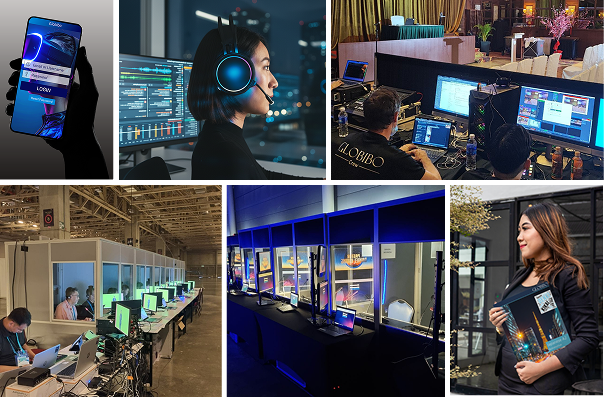
Simultaneous interpretation is the most widely used method in large-scale conferences, international meetings, and events where multiple languages are spoken at once. In this mode, the interpreter listens to the speaker through a headset and simultaneously translates the speech into the target language. This type of interpretation is typically done in real-time, with minimal delay.
Key Features:
- Real-Time Translation: The interpreter translates the speech in real-time, which ensures that there is no delay in communication.
- Requires Technology: This mode relies heavily on specialized equipment, such as soundproof booths, microphones, headsets, and interpreter consoles.
- Multilingual Settings: Simultaneous interpretation is ideal for events where multiple languages are used, as interpreters can work in parallel to provide translations for different languages.

Challenges of Simultaneous Interpretation:
- Mental Fatigue: Given the pace and complexity of the work, simultaneous interpreters often experience mental and physical exhaustion. They need to maintain focus for long hours, requiring regular breaks and careful preparation.
- Technical Dependence: Interpreters must depend on flawless technology. Any malfunction can disrupt communication, which can have serious consequences in critical settings.
Consecutive Interpretation
Consecutive interpretation is often used in smaller settings, such as business meetings, interviews, or when there is no need for multiple interpreters. In this mode, the speaker delivers their message in segments, and the interpreter translates after the speaker pauses.
Key Features:
- Pauses for Interpretation: The speaker pauses after a few sentences to allow the interpreter to render the message into the target language.
- Note-Taking: Consecutive interpreters need to take detailed notes during the speaker’s speech to ensure they can recall all key points when providing the interpretation.
- High Accuracy: Since the interpreter has time to process the information before speaking, consecutive interpretation often leads to more accurate translations.

Challenges of Consecutive Interpretation:
- Time-Consuming: The need for pauses makes consecutive interpretation slower, especially in larger conferences where a quicker flow of communication is needed.
- Memory and Notetaking: Interpreters must have excellent memory and note-taking skills, as they may need to remember long passages of speech before interpreting.
Tools and Technology Used by Conference Interpreters
Technology plays a critical role in the efficiency and effectiveness of conference interpreters. Interpreters rely on various technological tools to ensure that their work is accurate, seamless, and professional.

Interpretation Booths
Interpretation booths are soundproof rooms equipped with microphones and headphones, where interpreters work during simultaneous interpretation. These booths help isolate the interpreter from the noise of the conference and prevent external distractions.
Interpreter Consoles
Interpreter consoles are essential devices that allow interpreters to listen to the speaker’s speech and transmit their translations to the audience. They provide control over the volume of the audio and enable interpreters to switch between different languages.
Wireless Headsets for Delegates
Wireless headsets are used by conference delegates to listen to the interpretation in their selected language. These headsets are linked to the audio system in the interpretation booth, ensuring that each participant receives the translation they need.
Real-Time Translation Software
Real-time translation software is increasingly being used in virtual and hybrid conferences. This technology allows interpreters to provide translations without the need to be physically present at the event. Tools such as speech recognition software, voice-to-text applications, and AI-assisted translation tools are enhancing the capabilities of conference interpreters.
Challenges Faced by Conference Interpreters
Despite their critical role, conference interpreters face a variety of challenges that test their skill sets and adaptability.
High Pressure and Mental Fatigue
Conference interpreters are often under immense pressure to provide accurate translations in real-time, particularly in high-stakes situations such as political summits or business negotiations. The constant demand for accuracy and speed can be mentally exhausting.
Dealing with Difficult Subject Matter
Interpreting complex subject matter such as technical, legal, or medical terminology presents a unique challenge. Interpreters must constantly keep up with the terminology of various fields to ensure they provide accurate translations.
Technical Issues and Equipment Failures
Interpreters depend on equipment such as microphones, headsets, and sound systems. Any malfunction in these devices can disrupt the entire interpretation process and may lead to miscommunication.
Physical Strain
Interpreting, particularly in simultaneous mode, requires intense mental concentration, which can be physically taxing. Long hours in a booth can lead to strain on the body, particularly in the neck, back, and eyes.
The Future of Conference Interpreting
As artificial intelligence and machine learning technologies continue to evolve, there are growing concerns about the role of human interpreters in the future. While AI can handle some aspects of translation, it still lacks the cultural sensitivity, nuance, and adaptability of human interpreters.
AI-Assisted Interpretation
AI-powered translation tools are advancing rapidly, and many conference settings now incorporate these tools for remote interpretation. However, human interpreters are still essential, particularly for complex dialogues, cultural subtleties, and ensuring the emotional and tonal nuances of speech are correctly conveyed.
Remote Interpreting
The rise of virtual conferences has led to a demand for remote interpreting services. Interpreters can now participate in events remotely, using online platforms and digital tools. This trend is likely to grow as more organizations move to hybrid or fully remote formats.
Conference Interpreter Summary
The profession of conference interpretation is not just about translating words; it is about facilitating meaningful communication in a world where people speak different languages. Conference interpreters enable international cooperation, business negotiations, and diplomatic agreements by ensuring that language is not a barrier to understanding. The challenges they face are numerous, but the work they do is invaluable. As technology continues to evolve, the role of conference interpreters will remain essential in ensuring that language barriers are effectively bridged.
YouTube Videos on Conference Interpreter
Academic References on Conference Interpreter
- [HTML] Bridging the Language Gap in Healthcare: Implementing a Qualified Medical Interpreter Program for Lesser-Spoken Languages
- Language discordance in mental health services: An exploratory survey of mental health providers and interpreters
- [PDF] Bridging Communication Gaps in Crisis: A Case Study of Remote Interpreting in the Middle East During the COVID-19 Pandemic
- Interpreter’s Contribution in Conference Interpreting and Indonesia Education
- Building bridges: the bilingual language work of migrant construction workers
- [BOOK] Bilingual health communication: Working with interpreters in cross-cultural care
- Managing linguistic diversity in the clinic: Interpreters in speech-language pathology
- [BOOK] Conference interpreting explained
- Conference interpreters and their perception of culture: From the narratives of Japanese pioneers
- [BOOK] Interpreting as interaction