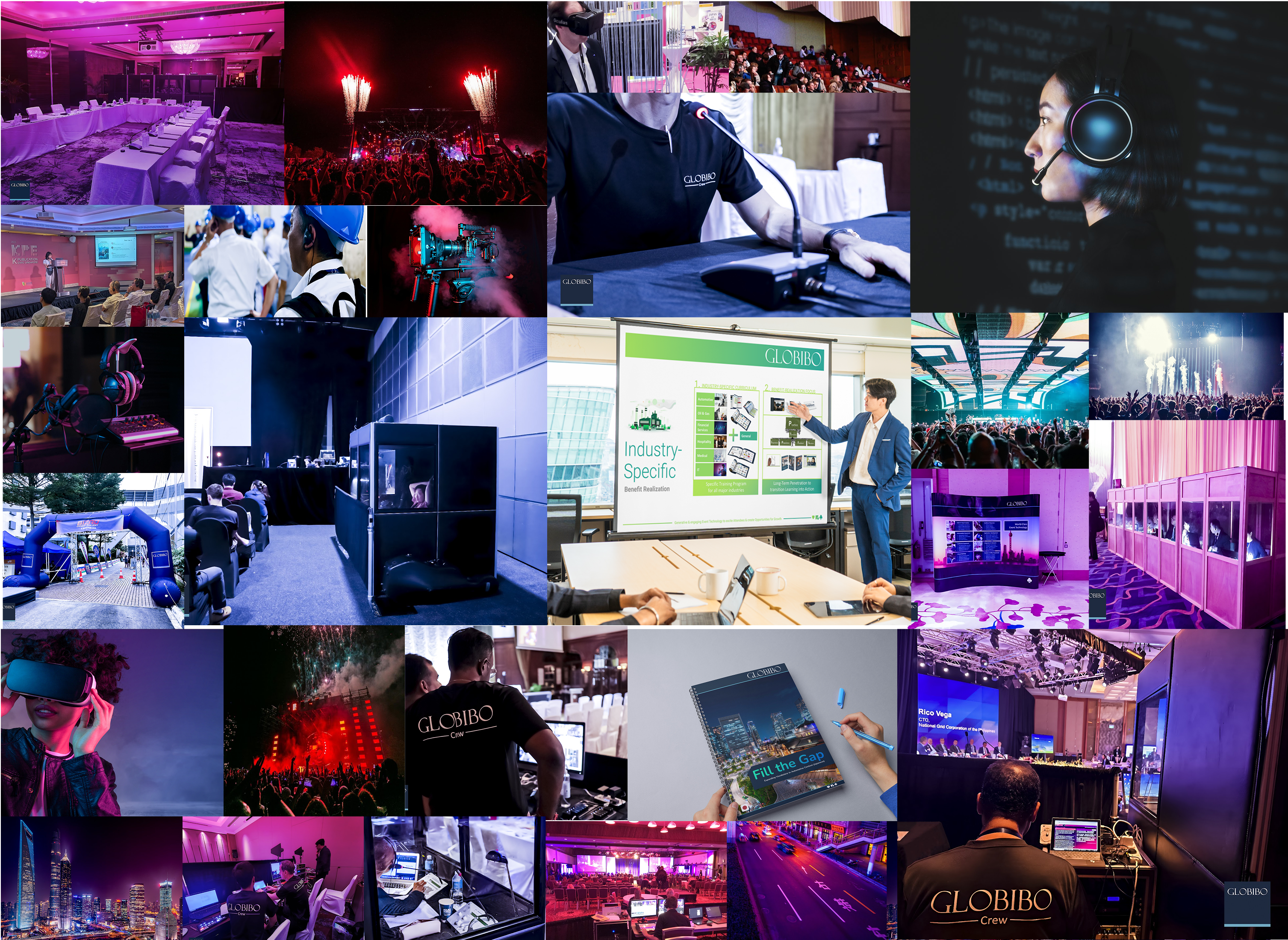
Simultaneous interpretation (SI) is a highly demanding field within the language services industry, crucial for facilitating real-time communication in multilingual settings. This method allows interpreters to provide a translated message to an audience almost instantly, making it indispensable for international conferences, diplomatic meetings, and live broadcasts. Despite its importance, SI presents numerous challenges that require sophisticated solutions. This article delves into these challenges, exploring their implications and proposing effective strategies to address them.
Understanding Simultaneous Interpretation
Simultaneous interpretation services involves translating spoken language into another language in real-time. The interpreter listens to the speaker through headphones and conveys the message into a microphone, which is transmitted to the audience through headsets. This process demands high levels of accuracy, speed, and concentration.
Key Aspects of Simultaneous Interpretation:
- Real-Time Processing: Professional simultaneous interpreter must process and translate the message with minimal delay.
- Technical Requirements: SI relies on specialized equipment such as microphones, headphones, and interpreting booths.
- Cognitive Demands: Interpreters face significant cognitive demands, including memory retention and multitasking.

Challenges in Simultaneous Interpretation
Cognitive Load and Fatigue
Simultaneous interpretation requires intense mental effort. Interpreters must simultaneously listen, understand, and translate speech while maintaining accuracy and clarity. The high cognitive load can lead to fatigue, affecting performance and accuracy.

Implications of Cognitive Load:
- Reduced Accuracy: As cognitive load increases, the risk of errors in interpretation rises.
- Decreased Efficiency: Fatigue can slow down processing speed, affecting real-time translation.
Solutions to Manage Cognitive Load:
- Breaks and Rotation:
- Regular Breaks: Implementing scheduled breaks allows interpreters to rest and recover, reducing fatigue.
- Rotation: Working in pairs or teams, rotating every 20-30 minutes, ensures fresh perspectives and reduces individual strain.
- Training and Preparation:
- Stamina Building: Training programs focusing on mental endurance and concentration can enhance an interpreter’s ability to handle high cognitive demands.
- Pre-Event Briefings: Providing interpreters with detailed information about the subject matter can help them prepare and reduce cognitive load during the event.

Read more on Challenges and Solutions in Simultaneous Interpretation
Technical Issues
Technical problems can significantly impact the effectiveness of simultaneous interpretation. Equipment malfunctions or transmission errors can disrupt the flow of interpretation, leading to misunderstandings or loss of critical information.
Types of Technical Issues:
- Equipment Malfunctions: Issues with microphones, headphones, or interpreting booths can hinder communication.
- Transmission Errors: Problems with audio transmission can result in incomplete or distorted interpretation.
Solutions for Technical Challenges:
- Regular Maintenance and Checks:
- Equipment Maintenance: Regular maintenance and servicing of interpreting equipment prevent malfunctions.
- Pre-Event Testing: Conducting thorough tests of all equipment before the event ensures that it is functioning correctly.
- Backup Systems:
- Spare Equipment: Having backup microphones, headphones, and other critical equipment on hand can mitigate the impact of technical failures.
- Redundant Systems: Implementing redundant systems for audio transmission helps ensure continuous operation in case of primary system failure.
Language and Cultural Nuances
Interpreters must navigate complex language structures and cultural contexts. Idioms, slang, and cultural references can be challenging to translate accurately, potentially leading to misunderstandings or loss of meaning.
Challenges with Language and Culture:
- Idiomatic Expressions: Direct translations of idiomatic expressions may not convey the intended meaning.
- Cultural References: References specific to one culture may be unfamiliar to speakers of another language.
Solutions for Language and Cultural Challenges:
- Pre-Event Preparation:
- Subject Matter Familiarization: Interpreters should be briefed on the topic, including any industry-specific terminology or cultural references.
- Cultural Briefings: Providing background information on cultural nuances helps interpreters understand and convey context accurately.
- Glossaries and Resources:
- Terminology Glossaries: Using glossaries of commonly used terms and phrases can aid in accurate interpretation.
- Cultural Guides: Access to cultural guides or resources helps interpreters navigate complex cultural references.
Stress and Pressure
The high-pressure environment of simultaneous interpretation can induce stress. Interpreters are expected to perform accurately and swiftly, which can be stressful, particularly in high-stakes situations.
Impact of Stress:
- Performance Degradation: High levels of stress can impair cognitive function and decision-making ability.
- Increased Error Rate: Stress can lead to increased errors and reduced accuracy in interpretation.
Solutions for Managing Stress:
- Stress Management Techniques:
- Relaxation Exercises: Techniques such as deep breathing, mindfulness, and relaxation exercises can help manage stress.
- Mental Health Support: Providing access to mental health resources and counseling can support interpreters in managing stress.
- Supportive Work Environment:
- Positive Reinforcement: Encouraging and supportive work environments can reduce stress and improve performance.
- Team Collaboration: Fostering a collaborative environment where interpreters can support each other enhances overall well-being.
Noise and Distractions
External noise and distractions can interfere with the interpreter’s ability to concentrate and accurately translate the message. This is particularly challenging in environments where control over sound levels is limited.
Sources of Noise and Distractions:
- Ambient Noise: Noise from the surrounding environment can disrupt concentration.
- Audience Distractions: Movements or activities from the audience can affect the interpreter’s focus.
Solutions for Managing Noise and Distractions:
- Soundproof Booths:
- Acoustic Design: Using soundproof booths designed to minimize external noise enhances concentration and reduces distractions.
- Noise-Cancelling Equipment: Implementing noise-cancelling headphones helps interpreters focus on the speaker’s voice.
- Controlled Environment:
- Event Planning: Ensuring that the event location is conducive to interpretation by controlling noise levels and minimizing potential distractions.
- Audience Management: Managing audience behavior and activities to minimize disruptions during interpretation.
Read more on Remote Simultaneous Interpretation: Scalable and Flexible Way of Translation
Challenges and Solutions
Challenges in Simultaneous Interpretation
-

Cognitive Load and Fatigue:
- High mental effort and potential burnout.
- Risk of reduced accuracy and efficiency.
- Technical Issues:
- Equipment malfunctions, including microphones and headphones.
- Transmission errors affecting audio quality.
- Language and Cultural Nuances:
- Complex language structures and idiomatic expressions.
- Cultural references that may not translate directly.
- Stress and Pressure:
- High performance expectations leading to stress.
- Impact on cognitive function and accuracy.
- Noise and Distractions:
- External ambient noise affecting concentration.
- Distractions from the audience impacting focus.
Solutions to Address Challenges
- Cognitive Load and Fatigue:
- Breaks and Rotation: Regular breaks and interpreter rotation.
- Training: Programs to build mental stamina and concentration.
- Technical Issues:
- Regular Maintenance: Routine checks and maintenance of equipment.
- Backup Systems: Availability of spare equipment and redundant systems.
- Language and Cultural Nuances:
- Pre-Event Preparation: Detailed briefings and cultural context.
- Glossaries and Resources: Use of terminology glossaries and cultural guides.
- Stress and Pressure:
- Stress Management Techniques: Relaxation and mental health support.
- Supportive Environment: Positive reinforcement and team collaboration.
- Noise and Distractions:
- Soundproof Booths: Use of soundproofing and noise-cancelling equipment.
- Controlled Environment: Managing noise levels and audience behavior.
Summary of Challenges and Solutions
| Challenge | Description | Solutions |
| Cognitive Load and Fatigue | High mental effort and risk of burnout. | Breaks, rotation, and comprehensive training. |
| Technical Issues | Equipment malfunctions and transmission errors. | Regular maintenance and backup systems. |
| Language and Cultural Nuances | Difficulty in translating idioms and cultural references. | Pre-event preparation and use of glossaries. |
| Stress and Pressure | High performance expectations and stress. | Stress management techniques and supportive environments. |
| Noise and Distractions | External noise and audience distractions. | Soundproof booths and controlled environments. |
Case Studies and Practical Examples
International Conferences
In international conferences, simultaneous interpretation is essential for facilitating communication among participants from different linguistic backgrounds. Challenges such as high cognitive load and technical issues are common. For example, at the 2019 United Nations Climate Change Conference (COP25), interpreters faced significant technical issues with audio equipment, leading to delays and disruptions. The solution involved quick deployment of backup systems and technical support teams to address the issues promptly.
Diplomatic Meetings
Diplomatic meetings often require high precision and cultural sensitivity. Interpreters must navigate complex political jargon and cultural nuances. At the 2020 G7 Summit, interpreters were tasked with conveying sensitive discussions on global economic policies. Extensive pre-event briefings and access to specialized glossaries helped interpreters manage the high cognitive demands and ensure accurate communication.
Live Broadcasts
Live broadcasts, such as international sports events, present unique challenges due to the fast-paced nature of the content. For the 2024 Summer Olympics, interpreters faced the challenge of keeping up with rapid commentary and diverse cultural references. Implementation of advanced soundproofing technology and real-time support systems helped maintain the quality of interpretation throughout the event.
Future Trends in Simultaneous Interpretation
Technological Advancements
The field of simultaneous interpretation is evolving with advancements in technology. Innovations such as AI-powered translation tools and virtual interpreting platforms are emerging. These technologies offer potential solutions to some of the challenges faced in SI, such as reducing cognitive load and improving accuracy.
Training and Development
Ongoing development in interpreter training programs is crucial for addressing emerging challenges. Enhanced training methods, including simulation-based exercises and stress management workshops, are being integrated into interpreter education.
Enhanced Equipment
Future advancements in interpreting equipment, such as more reliable and user-friendly systems, are expected to address technical issues more effectively. Technology plays an important role in Enhancing Simultaneous Interpretation Innovations in wireless technology and real-time error detection systems will likely improve the overall quality of interpretation services.
Simultaneous Interpretation Summary
Simultaneous interpretation is a vital component of global communication, facilitating real-time dialogue across multiple languages. However, it presents several challenges, including cognitive load, technical issues, language and cultural nuances, stress, and external distractions. By implementing effective solutions such as regular breaks, technical maintenance, pre-event preparation, and advanced technology, the quality and efficiency of simultaneous interpretation can be significantly enhanced. As the field continues to evolve, ongoing adaptation and innovation will be essential for overcoming these challenges and meeting the demands of an increasingly interconnected world.
Academic References on Simultaneous Interpretation
- SIMULTANEOUS INTERPRETING: CURRENT CHALLENGESAND SOLUTIONS
- Difficulties and Challenges of EFL Simultaneous Interpretation Among Saudi Undergraduates
- Structural challenges in English> Arabic simultaneous interpreting
- Difficulties and Problems of Simultaneous Interpretation in Kurdistan Region–Iraq
- On the use of compensatory strategies in simultaneous interpretation
- The issue of quality in simultaneous interpretation
- [PDF] Present? Remote? Remotely present! New technological approaches to remote simultaneous conference interpreting
- [PDF] Exploring difficulties in simultaneous interpreting Insights from the English-French Louvain Corpus of Simultaneous Interpretations
- [PDF] So what is so interesting about simultaneous interpreting
- Creativity and simultaneous interpretation—the two shall never meet?