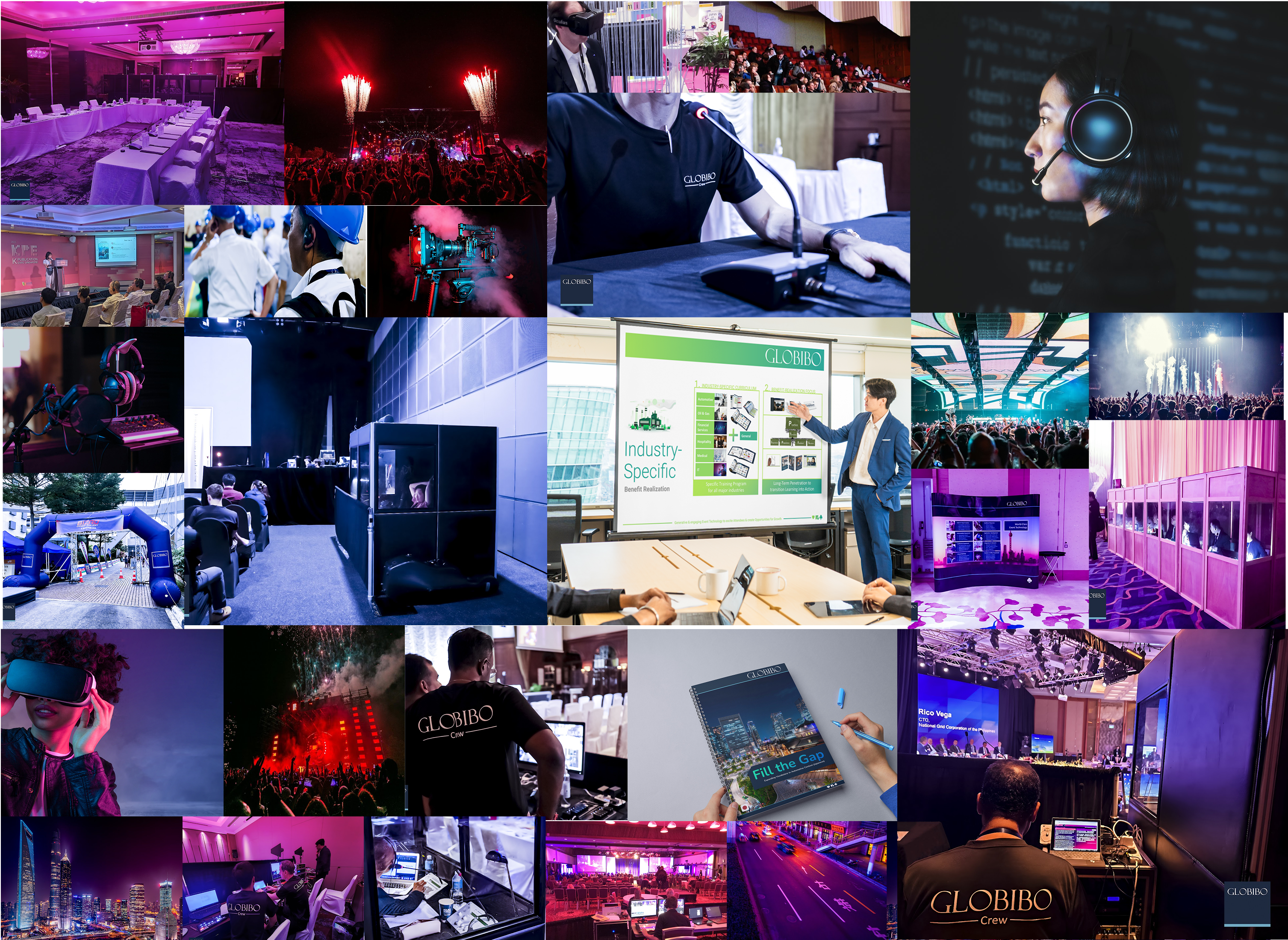
Simultaneous interpretation (SI) is a critical component of international communication, enabling real-time translation of spoken language during multilingual events such as conferences, diplomatic meetings, and global business negotiations. Traditional SI relies heavily on human interpreters and sophisticated equipment, requiring precise coordination to ensure seamless communication. However, recent advancements in artificial intelligence (AI) are poised to transform this field, offering enhanced accuracy, efficiency, and accessibility. This article delves into the technological innovations driving AI-assisted SI, the benefits and challenges associated with these advancements, and the future directions for this evolving technology.
Technological Innovations in AI-Assisted Simultaneous Interpretation
AI-assisted simultaneous interpretation services leverages a range of technologies to enhance the effectiveness and efficiency of interpreting processes. Here are some of the most significant innovations:

Speech Recognition and Natural Language Processing (NLP)
Speech Recognition:
- Functionality: Speech recognition technology converts spoken language into written text. It utilizes complex algorithms and models to detect and transcribe human speech accurately.
- Advancements: Modern speech recognition systems employ deep learning models, such as recurrent neural networks (RNNs) and long short-term memory (LSTM) networks, to improve transcription accuracy. These models are trained on vast datasets, enabling them to recognize diverse accents, dialects, and speech patterns.
Natural Language Processing (NLP):
- Functionality: NLP algorithms analyze and interpret the meaning of text, focusing on understanding context, semantics, and syntax. This technology is essential for translating spoken content accurately.
- Advancements: NLP techniques, such as transformer-based models (e.g., BERT, GPT), enhance the system’s ability to understand and generate human-like text. These models capture contextual relationships and nuances, improving the quality of translations.
Machine Translation
Neural Machine Translation (NMT):
- Functionality: NMT utilizes deep learning algorithms to translate text from one language to another. Unlike traditional statistical methods, NMT systems learn from large datasets to generate translations that are contextually relevant and grammatically correct.
- Advancements: Recent improvements in NMT include the use of attention mechanisms, which allow models to focus on specific parts of the text, and pre-trained language models, which enhance translation quality by leveraging vast amounts of data.
Contextual Translation:
- Functionality: Contextual translation systems consider the broader context of a conversation rather than translating phrases in isolation. This approach improves coherence and fluency in the translated output.
- Advancements: AI systems now integrate context-aware translation techniques, enabling them to handle idiomatic expressions, cultural context references, and complex sentence structures more effectively.
Real-Time Data Processing
Low Latency Processing:
- Functionality: Real-time data processing is crucial for maintaining the flow of conversation during live events. AI systems must process and translate speech with minimal delay.
- Advancements: Advances in computing hardware and software have significantly reduced latency, allowing AI systems to deliver translations almost instantaneously. Technologies such as edge computing play a vital role in this reduction.
Edge Computing:
- Functionality: Edge computing involves processing data locally on devices rather than sending it to a remote server. This approach reduces latency and improves the responsiveness of AI systems.
- Advancements: Edge AI devices, such as smartphones and wearable tech, are increasingly capable of handling complex tasks, including real-time speech recognition and translation, without relying on cloud-based resources.
AI-Powered Interpretation Devices
Wearable Devices:
- Functionality: Wearable devices equipped with AI technology enable users to access real-time interpretation in various settings, from conferences to personal interactions.
- Advancements: Innovations include smart glasses and earpieces that integrate AI-powered translation systems. These devices provide seamless interpretation while being unobtrusive and user-friendly.
Integrated Platforms:
- Functionality: AI-assisted SI platforms combine speech recognition, NLP, and machine translation into a unified system, streamlining the interpretation process.
- Advancements: Modern platforms offer features such as real-time feedback, customizable settings, and support for multiple languages, enhancing user experience and adaptability.
Benefits of AI-Assisted Simultaneous Interpretation
The integration of AI into simultaneous interpretation offers several significant benefits:
Enhanced Accuracy
Error Reduction:
- Functionality: AI systems reduce human error by providing consistent and precise translations. Advanced algorithms and extensive training data contribute to higher accuracy rates.
- Advancements: Continuous improvements in AI models and training techniques enhance the system’s ability to handle diverse languages and complex content with minimal errors.
Contextual Understanding:
- Functionality: AI’s ability to understand context and nuance improves translation accuracy, ensuring that the interpretation captures the speaker’s intent effectively.
- Advancements: Context-aware models and adaptive learning techniques enable AI systems to refine their understanding of language and context over time.
Increased Efficiency
Speed:
- Functionality: AI-assisted systems process and translate speech almost instantaneously, reducing the time required for interpretation and facilitating smoother communication.
- Advancements: Real-time processing capabilities and optimized algorithms contribute to faster translation speeds, enabling more dynamic and interactive communication.
Scalability:
- Functionality: AI technology can handle multiple languages and large volumes of data, making it suitable for diverse and expansive interpreting needs.
- Advancements: Scalable AI systems can adapt to various contexts, from small meetings to large international conferences, without compromising performance.
Cost-Effectiveness
Reduced Need for Human Interpreters:
- Functionality: While human interpreters remain essential, AI can complement their work, potentially reducing the need for large teams of interpreters and associated costs.
- Advancements: AI systems can automate routine interpreting tasks, allowing human interpreters to focus on more complex or nuanced aspects of communication.
Lower Equipment Costs:
- Functionality: Advances in technology have made AI-assisted interpretation devices more affordable, making high-quality interpreting accessible to a broader range of users.
- Advancements: The development of cost-effective AI-powered devices and platforms contributes to reducing overall expenses for interpretation services.

Accessibility and Inclusivity
Language Availability:
- Functionality: AI systems can support a wide range of languages and dialects, increasing accessibility for non-native speakers and promoting inclusivity in global communication.
- Advancements: The expansion of language models and translation capabilities enhances the availability of interpretation services for diverse linguistic needs.
Remote Interpretation:
- Functionality: AI-powered platforms enable remote interpretation, allowing participants from different locations to engage in multilingual discussions without physical presence.
- Advancements: Remote interpretation solutions offer flexibility and convenience, making it easier for organizations to conduct international meetings and events.
Challenges and Solutions
Despite the promising advancements, AI-assisted simultaneous interpretation faces several challenges and Solutions:
Technical Limitations
Accuracy in Complex Contexts:
- Functionality: AI systems may struggle with highly specialized terminology or nuanced contexts, leading to potential inaccuracies in interpretation.
- Challenges: Addressing these limitations requires ongoing improvements in AI models and the incorporation of domain-specific knowledge to enhance accuracy in specialized fields.
Cultural Sensitivity:
- Functionality: AI may not fully capture cultural subtleties, which can impact the quality of translations in sensitive or culturally rich discussions.
- Challenges: Ensuring that AI systems are designed with cultural awareness and sensitivity in mind is crucial for delivering accurate and respectful interpretations.
Read more on Role of Technology in Enhancing Simultaneous Interpretation
Privacy and Security
Data Protection:
- Functionality: AI-assisted interpretation involves processing sensitive information, raising concerns about data privacy and security.
- Challenges: Implementing robust data protection measures, such as encryption and access controls, is essential for safeguarding sensitive content and maintaining user trust.

Cybersecurity Risks:
- Functionality: AI platforms must be secured against cyber threats to prevent unauthorized access and misuse of interpreted content.
- Challenges: Ongoing investment in cybersecurity measures and regular system updates are necessary to protect AI systems from potential vulnerabilities and attacks.
Ethical Considerations
Dependence on Technology:
- Functionality: Overreliance on AI could diminish the role of human interpreters, potentially impacting the quality and human touch of interpretation.
- Challenges: Balancing the use of AI with the expertise of human interpreters is essential for maintaining the quality and human element of interpretation services.
Bias in AI Algorithms:
- Functionality: AI systems may inadvertently perpetuate biases present in training data, affecting the neutrality and fairness of interpretations.
- Challenges: Addressing algorithmic bias requires ongoing monitoring, diverse training data, and transparent development practices to ensure fair and unbiased interpretations.
Future Directions
As AI technology continues to evolve, the future of AI-assisted simultaneous interpretation holds exciting possibilities:
Integration of Advanced AI Techniques
Deep Learning Models:
- Functionality: Future systems may employ even more advanced deep learning models to enhance translation accuracy and context understanding.
- Advancements: Innovations such as generative adversarial networks (GANs) and more sophisticated transformer architectures could further improve the quality of translations.
Adaptive Learning:
- Functionality: AI systems could incorporate adaptive learning techniques to continuously improve their performance based on user feedback and new data.
- Advancements: Adaptive learning algorithms enable AI systems to learn from real-world usage and refine their capabilities over time, leading to more accurate and reliable interpretations.

Read more on Remote Simultaneous Interpretation: Scalable and Flexible Way of Translation
Enhanced Human-AI Collaboration
Hybrid Models:
- Functionality: Combining AI with human interpreters could create hybrid models that leverage the strengths of both, ensuring high-quality and contextually accurate interpretations.
- Advancements: Hybrid systems can integrate AI-powered automation with human expertise, providing a balanced approach to interpretation that combines efficiency with nuanced understanding.
AI-Assisted Training:
- Functionality: AI can assist in training human interpreters by providing real-time feedback and simulations, enhancing their essential skills and expertise.
- Advancements: AI-driven training platforms offer interactive and personalized learning experiences, helping interpreters develop their abilities and stay updated with evolving practices.
Broader Applications
Diverse Settings:
- Functionality: AI-assisted interpretation may expand beyond traditional settings to include educational institutions, healthcare environments, and everyday interactions.
- Advancements: The adaptability of AI systems allows for their application in various contexts, from classroom settings to medical consultations, enhancing communication across diverse scenarios.
Increased Personalization:
- Functionality: Future systems could offer personalized interpretation experiences tailored to individual preferences and needs.
- Advancements: Personalization features, such as customizable language models and user-specific settings, could enhance the relevance and effectiveness of AI-assisted interpretation for different users.
Key Innovations in AI-Assisted Simultaneous Interpretation
| Innovation | Description |
| Speech Recognition | Converts spoken language into text for real-time transcription using deep learning models. |
| Natural Language Processing | Analyzes and interprets text to understand context, tone, and nuances using transformer-based models. |
| Neural Machine Translation | Utilizes deep learning algorithms for high-accuracy text translation. |
| Contextual Translation | Considers the broader context to improve coherence and fluency in translations. |
| Low Latency Processing | Minimizes delay in data processing to maintain real-time communication. |
| Edge Computing | Processes data locally to reduce latency and enhance responsiveness. |
| Wearable Devices | AI-equipped wearables for seamless interpretation in various settings. |
| Integrated Platforms | Combines speech recognition, NLP, and machine translation into a single system. |
Benefits and Challenges of AI-Assisted Simultaneous Interpretation
| Aspect | Benefits | Challenges |
| Accuracy | Reduced human error, improved contextual understanding. | Accuracy in complex contexts, cultural sensitivity issues. |
| Efficiency | Fast processing, scalable solutions. | Technical limitations in handling specialized terminology. |
| Cost-Effectiveness | Reduced need for large interpreter teams, lower equipment costs. | Potential cost of high-tech equipment and systems. |
| Accessibility and Inclusivity | Supports multiple languages, enables remote interpretation. | Data protection and cybersecurity risks. |
| Ethical Considerations | Opportunity for hybrid models and enhanced human-AI collaboration. | Risk of AI bias and overreliance on technology. |
AI-Assisted Simultaneous Interpretation Summary
AI-assisted simultaneous interpretation represents a significant advancement in multilingual communication, offering enhanced accuracy, efficiency, and accessibility. By leveraging cutting-edge technologies such as speech recognition, natural language processing, and machine translation, AI systems are transforming the way we conduct real-time interpretation. However, addressing the associated challenges, including technical limitations, privacy concerns, and ethical considerations, is essential for ensuring that these technologies are used effectively and responsibly. As AI continues to evolve, the future of simultaneous interpretation promises exciting developments, with potential applications across diverse settings and opportunities for greater personalization and collaboration.
This article provides an in-depth exploration of AI-assisted simultaneous interpretation, including technological innovations, benefits, challenges, and future directions. The structured lists and tables offer clear insights into key aspects of the topic, ensuring a comprehensive understanding of this evolving field.
Academic References on AI-Assisted Simultaneous Interpretation
- Computer-Assisted Interpreting Tools: Status Quo and Future Trends
- Chinese Students’ Perception and Demand on AI Assisted Interpretation Technology and Its Implication on Education of Interpreters
- A method for AI assisted human interpretation of neonatal EEG
- AI-assisted decision-making: A cognitive modeling approach to infer latent reliance strategies
- Improving Steering and Verification in AI-Assisted Data Analysis with Interactive Task Decomposition
- Understanding the Role of Explanation Modality in AI-assisted Decision-making
- How Do Analysts Understand and Verify AI-Assisted Data Analyses?
- Artificial intelligence takes center stage: exploring the capabilities and implications of ChatGPT and other AI‐assisted technologies in scientific research and education
- Impact of technology on interpreting practice: a review of studies on technology and interpreting practice from 2013 to 2024
- Towards AI assisted domain modeling