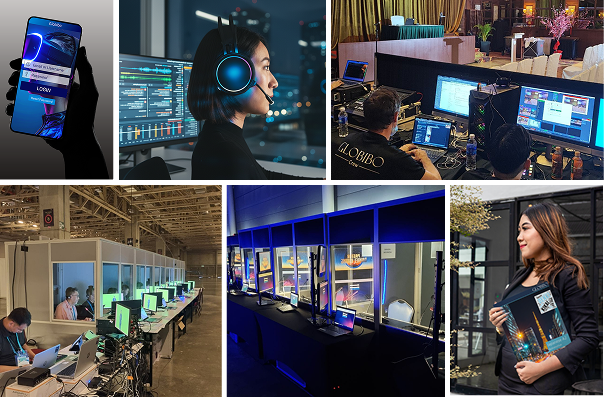
In the dynamic field of event management, the role of an event manager is pivotal. Event managers are responsible for the seamless execution of various events, ranging from corporate conferences and trade shows to weddings and concerts. Their role is multifaceted, requiring a blend of creativity, organizational skills, and technical knowledge. This article explores the essential qualities that define a successful event manager, providing a comprehensive guide for aspiring professionals in the industry.
Core Qualities of a Successful Event Manager

1. Organizational Skills
An event manager must possess exceptional organizational skills to handle the myriad tasks associated with event planning and execution. This includes:
- Task Management: Efficiently managing multiple tasks simultaneously.
- Scheduling: Creating detailed timelines and ensuring adherence to deadlines.
- Resource Allocation: Optimally utilizing resources to maximize efficiency.
2. Attention to Detail
Attention to detail is critical in event management to ensure that no aspect of the event is overlooked. Key aspects include:
- Venue Layout: Designing the event space to ensure smooth flow and accessibility.
- Logistics: Managing transportation, accommodation, and equipment needs.
- Contingency Planning: Preparing for potential issues and having backup plans in place.
3. Communication Skills
Effective communication is vital for coordinating with clients, vendors, and team members. This includes:
- Client Interaction: Understanding and fulfilling client requirements.
- Team Coordination: Ensuring clear communication among team members.
- Vendor Negotiation: Building strong relationships with vendors and negotiating favorable terms.
4. Problem-Solving Abilities
Event managers must be adept at identifying and resolving issues promptly. This involves:
- Critical Thinking: Analyzing situations and making informed decisions.
- Adaptability: Adjusting plans in response to unforeseen circumstances.
- Conflict Resolution: Managing disputes and maintaining a positive atmosphere.
5. Creativity and Innovation
 Creativity is essential for designing memorable events. Successful event managers:
- Concept Development: Creating unique event concepts that captivate attendees.
- Theme Integration: Incorporating themes seamlessly into event design.
- Innovative Solutions: Implementing cutting-edge technologies and ideas.
6. Budget Management
Managing finances is a crucial aspect of event planning. Event managers must:
- Budget Planning: Creating detailed budgets and adhering to them.
- Cost Control: Monitoring expenses to avoid overspending.
- Financial Reporting: Providing accurate financial reports to stakeholders.
7. Technical Proficiency
In today’s digital age, event managers need to be proficient with various technical tools and platforms. This includes:
- Event Management Software: Using software for planning and execution.
- AV Technology: Understanding audio-visual equipment and setup.
- Social Media: Leveraging social media for event promotion and engagement.
8. Interpersonal Skills
 Building strong relationships with clients, vendors, and attendees is essential. This involves:
- Networking: Expanding professional networks to gain new opportunities.
- Client Relations: Maintaining long-term relationships with clients.
- Team Leadership: Leading and motivating the event team effectively.
Structured Lists
Essential Technical Skills for Event Managers
-
Event Management Software Proficiency
- Scheduling and task management
- Budget tracking and financial reporting
- Guest list and RSVP management
-
Audio-Visual (AV) Technology
- Understanding AV equipment setup
- Troubleshooting technical issues
- Coordinating with AV technicians
-
Digital Marketing Tools
- Social media management
- Email marketing platforms
- Analytics and reporting tools
Critical Interpersonal Skills for Event Managers
-
Effective Communication
- Clear and concise communication with clients and team members
- Active listening and understanding client needs
- Conflict resolution and negotiation skills
-
Leadership and Team Management
- Delegating tasks and responsibilities
- Motivating and guiding team members
- Providing constructive feedback and support
-
Networking and Relationship Building
- Expanding professional networks
- Building strong vendor and client relationships
- Maintaining positive interactions with stakeholders
Detailed Exploration of Key Qualities
Organizational Skills in Depth
Organizational skills are the backbone of effective event management. A successful event manager must be able to juggle numerous tasks while maintaining a high level of efficiency and accuracy. This requires meticulous planning, the ability to prioritize tasks, and the foresight to anticipate potential challenges.
Task Management
Effective task management involves breaking down the event planning process into manageable components. Event managers use tools such as Gantt charts, project management software, and to-do lists to keep track of tasks and deadlines. This structured approach ensures that every aspect of the event is covered, from initial concept development to post-event evaluation.
Scheduling
Creating a detailed schedule is crucial for the smooth execution of an event. This includes not only the event day itinerary but also the timeline for pre-event preparations and post-event follow-ups. Event managers must coordinate with various stakeholders to ensure that everyone is aligned with the schedule and that all tasks are completed on time.
Resource Allocation
Efficient resource allocation involves managing both human and material resources. Event managers must ensure that team members are assigned tasks according to their strengths and expertise. Additionally, they must manage the procurement and distribution of materials, equipment, and supplies necessary for the event.
Attention to Detail in Event Planning
Attention to detail is essential for creating flawless events. Event managers must scrutinize every element of the event, from the layout and design to the logistics and technical setup. This meticulous approach helps in identifying potential issues and resolving them before they escalate.
Venue Layout
Designing the event space involves considering factors such as attendee flow, accessibility, and aesthetic appeal. Event managers must work closely with venue staff to ensure that the layout meets the event’s requirements and enhances the overall experience for attendees.
Logistics Management
Logistics management covers transportation, accommodation, and equipment needs. Event managers must coordinate with vendors and service providers to ensure that all logistical aspects are handled smoothly. This includes arranging transportation for attendees, booking accommodation, and ensuring that all necessary equipment is available and functional.
Contingency Planning
Preparing for potential issues involves developing contingency plans for various scenarios. Event managers must anticipate potential challenges, such as technical failures, weather disruptions, or last-minute changes. Having backup plans in place ensures that the event can proceed smoothly despite unforeseen circumstances.
Technical Skills and Tools
In the modern event management landscape, technical proficiency is crucial. Event managers must be adept at using various tools and technologies to enhance the planning and execution of events.
Event Management Software
Event management software streamlines the planning process by providing tools for scheduling, budgeting, and guest management. These platforms offer features such as task management, real-time collaboration, and analytics, enabling event managers to oversee every aspect of the event efficiently.
AV Technology
Understanding audio-visual technology is essential for creating engaging events. Event managers must be familiar with AV equipment, such as microphones, projectors, and sound systems. They should also be able to troubleshoot technical issues and coordinate with AV technicians to ensure a seamless experience.
Digital Marketing
Leveraging digital marketing tools is vital for promoting events and engaging with attendees. Event managers use social media platforms, email marketing software, and analytics tools to reach a wider audience, track engagement, and measure the success of their marketing efforts.
Interpersonal Skills and Relationship Building
Interpersonal skills are critical for building strong relationships with clients, vendors, and team members. Successful event managers must excel in communication, leadership, and networking to create positive interactions and foster long-term partnerships.
Effective Communication
Clear and concise communication is essential for understanding client needs, coordinating with team members, and negotiating with vendors. Event managers must be able to convey information effectively, listen actively, and resolve conflicts diplomatically.
Leadership and Team Management
Leading a team requires the ability to delegate tasks, motivate team members, and provide guidance and support. Event managers must foster a collaborative environment, encourage open communication, and recognize the contributions of each team member.
Networking and Relationship Building
Building a strong professional network is crucial for gaining new opportunities and resources. Event managers must actively seek out networking opportunities, build strong relationships with vendors and clients, and maintain positive interactions with all stakeholders.
Table: Comparison of Essential Qualities
| Quality | Description | Importance in Event Management |
| Organizational Skills | Managing tasks, schedules, and resources efficiently. | Ensures smooth execution of events and adherence to timelines. |
| Attention to Detail | Scrutinizing every element of the event to avoid issues. | Prevents oversights and enhances the quality of the event. |
| Communication Skills | Effectively conveying information and resolving conflicts. | Facilitates coordination with clients, vendors, and team members. |
| Problem-Solving Abilities | Identifying and resolving issues promptly. | Ensures the event runs smoothly despite unforeseen challenges. |
| Creativity and Innovation | Developing unique concepts and incorporating innovative solutions. | Creates memorable and engaging events. |
| Budget Management | Planning and controlling event finances. | Prevents overspending and ensures financial accountability. |
| Technical Proficiency | Using tools and technologies to enhance event planning and execution. | Streamlines processes and improves efficiency. |
| Interpersonal Skills | Building strong relationships with clients, vendors, and team members. | Fosters positive interactions and long-term partnerships. |
Conclusion of Successful Event Manager
A successful event manager embodies a blend of organizational prowess, attention to detail, effective communication, and creative thinking. They must be adept at problem-solving, managing finances, and leveraging technical tools. Additionally, strong interpersonal skills and the ability to build lasting relationships.
Academic References for Event Manager
- [BOOK] Events management
- [BOOK] Events design and experience