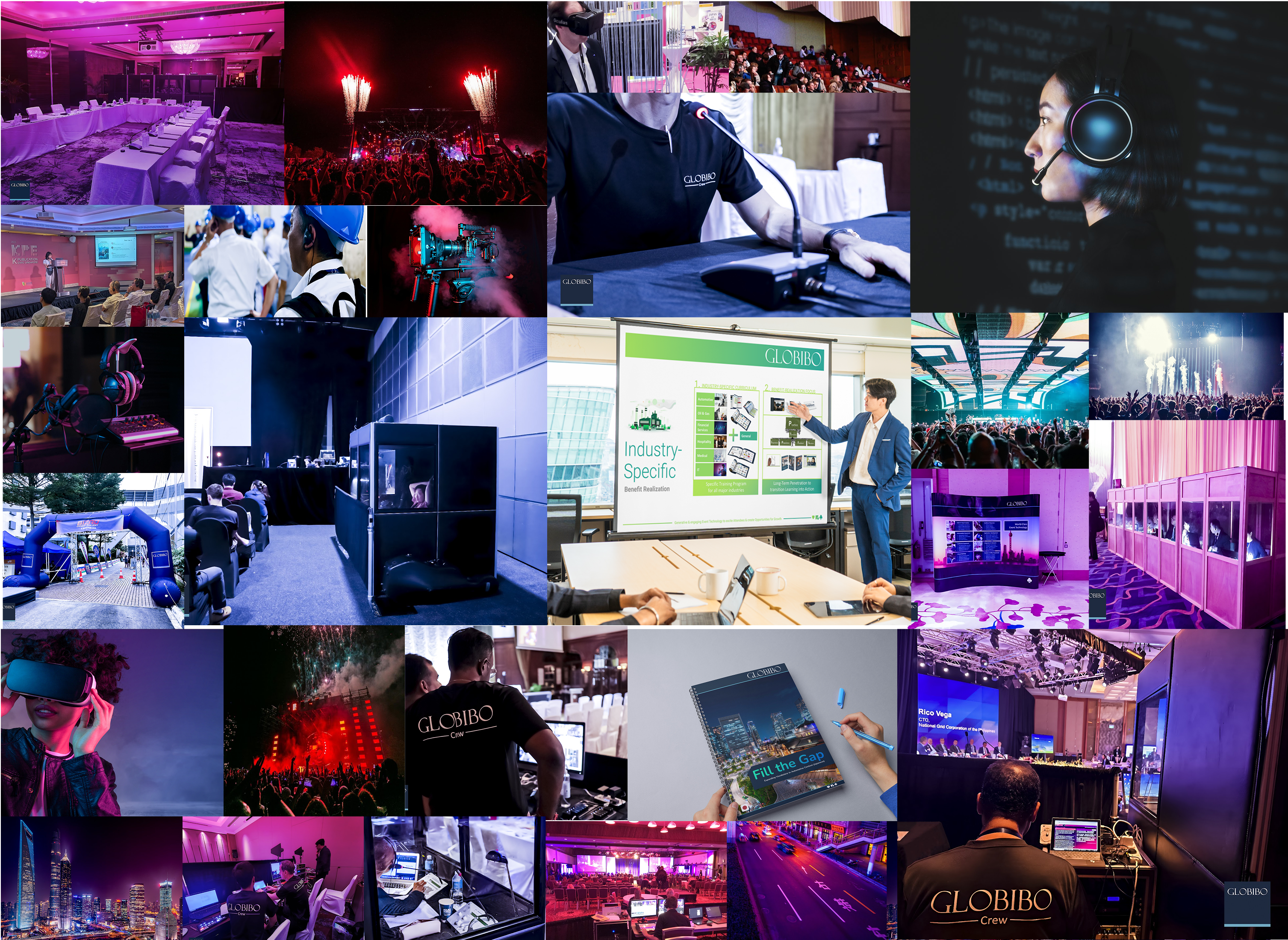
The tourism industry has witnessed significant transformations with the advent of technological advancements, particularly in the way tours are conducted and experienced. One of the most innovative tools that have revolutionized the way guides and travelers interact is the Tour Guide System (TGS). These systems provide a seamless, personalized, and immersive journey for tourists while allowing tour operators and guides to manage and deliver high-quality experiences. This article explores the role of Tour Guide Systems in shaping the future of tourism and travel, emphasizing how these systems integrate innovation, technology, and customization for unforgettable journeys.
The Evolution of Tour Guide Systems
Historically, guided tours relied heavily on verbal communication, where a tour guide would speak to groups of tourists using microphones or loudspeakers. However, this approach posed several challenges. For instance, background noise, environmental factors, and large group sizes often hindered the effectiveness of the communication between the guide and the tourists. Additionally, language barriers, varying group interests, and the desire for more personalized experiences created a demand for more sophisticated solutions.
The rise of Tour Guide Systems has transformed the traditional method of guiding, providing enhanced audio-visual experiences, multi-language support, and real-time feedback to both the guide and the participants. These systems not only help tour operators manage logistics and coordination but also ensure that the tourists’ experiences are tailored, engaging, and unforgettable.
Key Features of Modern Tour Guide Systems
Tour Guide Systems are designed to address the unique needs of both the tourists and the operators. They incorporate several advanced features, including:
- Wireless Audio Solutions: One of the core functionalities of a Tour Guide System is wireless audio communication. Using wireless headsets or earpieces, tourists can hear the guide clearly without the need for cumbersome microphones or loudspeakers. This ensures better clarity and comfort, particularly in noisy environments such as city tours, museums, or open-air attractions.
- Multi-Language Support: Modern systems often come equipped with multi-language support, allowing guides to cater to diverse international audiences. Tourists can select their preferred language from a range of options, enhancing the inclusivity and accessibility of tours.
- Real-Time Communication & Feedback: Advanced systems enable guides to communicate with tourists in real time, share important updates, or adjust the tour according to the needs of the group. Feedback can also be gathered instantly, which helps tour operators improve future experiences.
- Mobile App Integration: Many Tour Guide Systems come with integrated mobile applications, allowing tourists to access information, audio tours, and additional content right from their smartphones. This integration provides a more interactive and self-paced experience.
- GPS-Based Content Delivery: GPS-enabled systems automatically provide location-specific audio and visual content based on the tourists’ location. This ensures that the information provided is contextually relevant and timely.
Advantages of Tour Guide Systems for Operators and Tourists
The implementation of Tour Guide Systems offers several advantages to both tour operators and tourists. These benefits can be categorized as follows:
For Tour Operators:
- Efficient Group Management: Guides can manage large groups more effectively, ensuring that everyone receives clear and accurate information without delay or confusion.
- Improved Customer Satisfaction: Personalization, seamless communication, and high-quality content enhance the overall experience, resulting in higher customer satisfaction and positive reviews.
- Cost-Effectiveness: With integrated systems, operators can reduce the need for additional staff or expensive equipment. Systems that allow self-guided tours can reduce overhead costs while providing a scalable solution.
For Tourists:
- Enhanced Engagement: Interactive features such as audio, video, and images keep tourists engaged throughout the tour. The use of multimedia helps convey information more effectively.
- Personalized Experience: Tourists can choose from various language options, interact with mobile apps, and experience custom-designed content that suits their preferences.
- Improved Comfort and Convenience: Wireless headsets allow for hands-free communication, and GPS-based content delivery eliminates the need for guides to manually explain every stop, enabling tourists to explore at their own pace.
Customized Solutions for a Diverse Market
Tour Guide Systems are not one-size-fits-all solutions. Different types of tours and tourist attractions have varying needs, and the systems must be adapted to meet those specific requirements. Whether it’s a museum tour, a historical city walk, or a nature excursion, customization is key to providing the best possible experience.
Standard and Niche AV Equipment
The audio-visual (AV) equipment required for a Tour Guide System can range from basic wireless headsets to more specialized solutions, such as multi-channel sound systems or integrated video and audio displays. Tour operators can opt for standard AV equipment for general tours or niche equipment tailored to specific needs. For instance, eco-tours or nature expeditions may benefit from rugged, waterproof devices designed to withstand outdoor conditions.
Own Software Platforms and Custom Development Team
A crucial advantage of modern Tour Guide Systems is the use of proprietary software platforms. These platforms allow for more control over the system’s functionality and the flexibility to incorporate custom features. Tour operators can rely on a dedicated development team to create bespoke applications, content, and functionality that align with the needs of the specific tour experience.
Stunning Content Creation and Design
To make a tour truly unforgettable, engaging content is essential. Tour Guide Systems offer stunning content creation and design services that combine high-quality audio, video, and visual elements. From immersive 3D imagery to augmented reality (AR) experiences, well-designed content enhances the storytelling aspect of the tour, making it more interactive and memorable.
Genuine Regional and Local Delivery
Local expertise is vital in delivering a truly authentic experience. With Tour Guide Systems, operators can incorporate regional and local knowledge directly into the content. Whether it’s historical anecdotes, cultural insights, or regional trivia, local guides can provide personal touches that add authenticity to the tour.
Key Features Comparison of Tour Guide Systems
| Feature | Standard System | Customized System |
| Audio Quality | Clear and reliable | Advanced audio quality |
| Multi-Language Support | Limited languages | Extensive language options |
| Mobile App Integration | Basic app support | Fully integrated app |
| Content Customization | Pre-set content | Tailored to specific tours |
| GPS-Based Content Delivery | Optional | Real-time location-based |
| Interactive Features | Limited | High interactivity |
| Durability | Standard materials | Rugged and weatherproof |
Tour Guide Systems Summary
Tour Guide Systems have undeniably changed the way tourists experience the world. By integrating technology, innovation, and customization, these systems deliver unforgettable journeys that are informative, interactive, and highly personalized. With the advantages of advanced audio-visual equipment, custom software solutions, stunning content creation, and local expertise, operators can provide tourists with an unparalleled experience that meets both their expectations and the demands of modern tourism. As the tourism industry continues to evolve, Tour Guide Systems will remain at the forefront of this transformation, ensuring that every journey is as memorable as it is educational.
YouTube Videos on Tour Guide Systems
Academic References on Tour Guide Systems
- The changing face of the tour guide: One-way communicator to choreographer to co-creator of the tourist experience
- The digital revolution in the travel and tourism industry
- [BOOK] Time, innovation and mobilities: Travels in technological cultures
- [BOOK] Innovation in experiential services: an empirical view
- [BOOK] Memorable Experiences in Destination Marketing
- The video guides at the Musei Civici in Rome: an example of technological innovation in touristic cultural heritage experiences
- Examining the usability of an online virtual tour-guiding platform for cultural tourism education
- [HTML] The influence of smart technologies on customer journey in tourist attractions within the smart tourism management framework
- Collective memory and narrated destination image: interpreting the tour guides narratives in guided tours
- [BOOK] Creative tourism, a global conversation