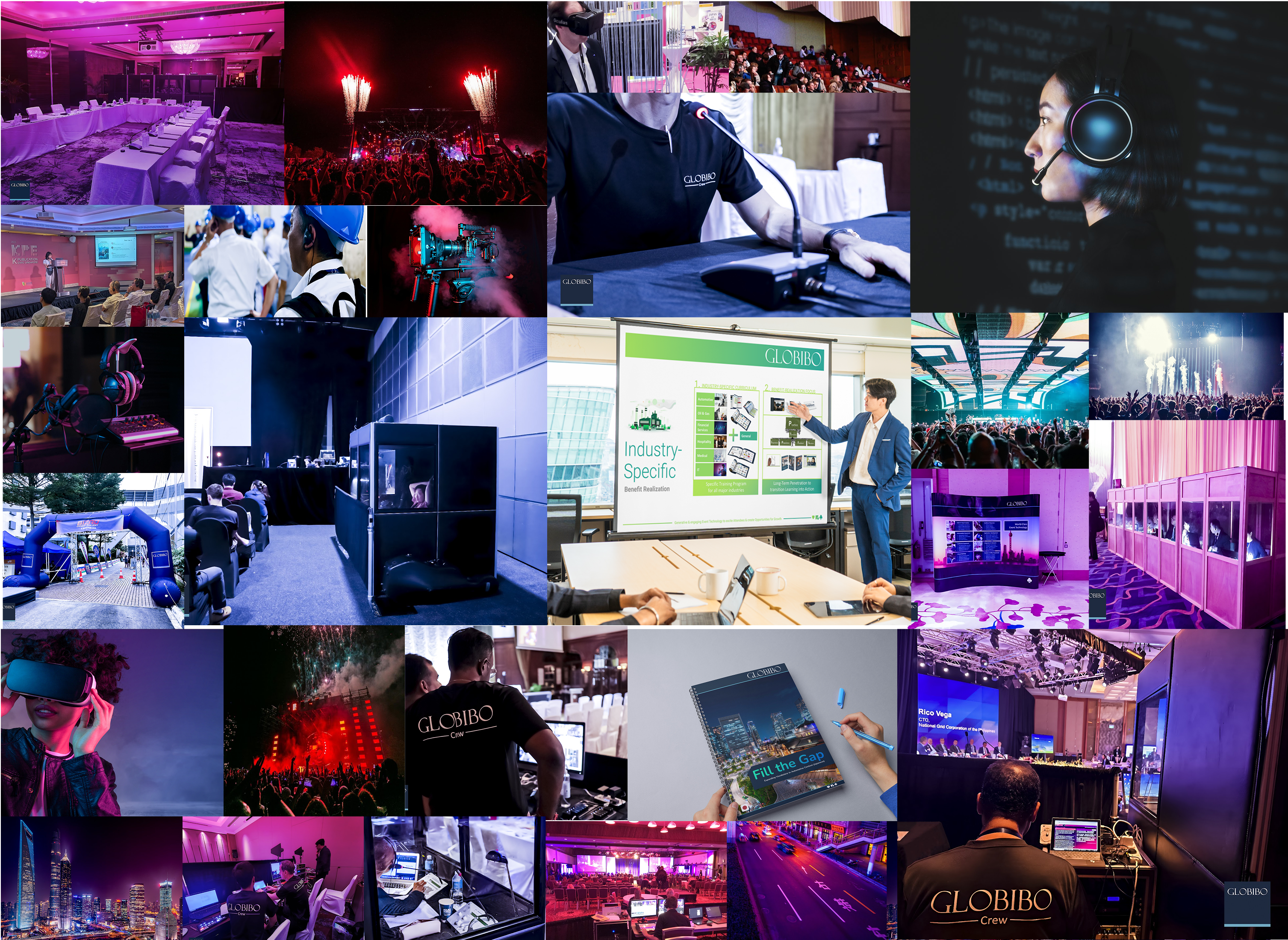
Silent conferences are remote meetings conducted where people participate from different places. The person presiding over the meeting could be in the office while others participate from their homes or other places. In such a remote meeting, it is important that everyone be allowed to share their views and actively participate.

Silent conferences, also known as quiet or headphone conferences, have gained popularity as a unique and innovative way to deliver content to attendees. In these events, participants use wireless headphones to listen to presentations or participate in activities. However, ensuring active engagement and attendee participation can be a challenge in such settings. This article explores the top strategies to elicit attendee participation and create interactive experiences in silent conferences, resulting in a more dynamic and engaging event.
Interactive Presentations
Transform traditional presentations into interactive experiences that encourage active participation. Incorporate elements such as live polls, quizzes, or audience response systems that attendees can engage with using their devices or through dedicated event apps. Encourage participants to ask questions, provide feedback, or share their thoughts in real-time. By involving attendees directly in the content, you foster engagement and create a sense of ownership over the learning process.
Gamification
Introduce gamification elements to infuse excitement and competition into the silent conference experience. Create interactive games or challenges related to the conference theme or content. Attendees can earn points, badges, or rewards for their active participation. Gamification not only motivates attendees to engage but also fosters networking and collaboration among participants as they compete or work together to accomplish goals.
Networking Opportunities
Facilitate networking opportunities within the silent conference environment. Provide designated spaces or virtual platforms where attendees can connect and engage with each other. Utilize event apps or online platforms that allow participants to chat, join discussion groups, or schedule one-on-one meetings. Encourage attendees to exchange ideas, share experiences, and form valuable connections, creating a sense of community and active participation.
Interactive Workshops and Activities
Incorporate interactive workshops and activities that promote hands-on learning and engagement. Offer breakout sessions or workshops where attendees can actively participate in exercises, simulations, or group discussions. These interactive sessions encourage collaboration, critical thinking, and problem-solving, providing attendees with practical takeaways and a memorable conference experience.
Q&A Sessions and Panel Discussions
Allocate time for Q&A sessions and panel discussions, where attendees can directly interact with speakers or panelists. Encourage participants to submit questions in advance or use real-time chat features during the session. Moderators can select relevant questions to address, creating a dialogue that involves both speakers and attendees. This interactive format empowers attendees to contribute to the conversation and fosters a sense of inclusion.
Social Media Engagement
Leverage social media platforms to extend attendee participation beyond the physical event space. Create event-specific hashtags and encourage attendees to share their experiences, insights, and photos on social media. Engage with their posts, spark discussions, and showcase attendee contributions during the silent conference. This social media interaction amplifies engagement, widens the event’s reach, and builds a sense of community among participants.
Surveys and Feedback
Collect attendee feedback and opinions through post-event surveys or real-time feedback tools. Ask participants to rate their experience, provide suggestions for improvement, and offer insights on specific sessions or activities. This feedback not only helps organizers gauge attendee satisfaction but also makes attendees feel valued and involved in shaping future events.
Eliciting attendee participation in silent conferences requires thoughtful planning and creative strategies. By incorporating interactive presentations, gamification, networking opportunities, interactive workshops, Q&A sessions, social media engagement, and feedback mechanisms, organizers can create engaging and dynamic event experiences. Remember, each silent conference is unique, so adapt these strategies to align with your event goals and audience preferences. By prioritizing attendee participation, you can create meaningful and memorable experiences for all participants.
To make your silent conference a success, you need quality tools to conduct virtual meetings. Globibo is a well-known provider that provides software tools for remote meetings.