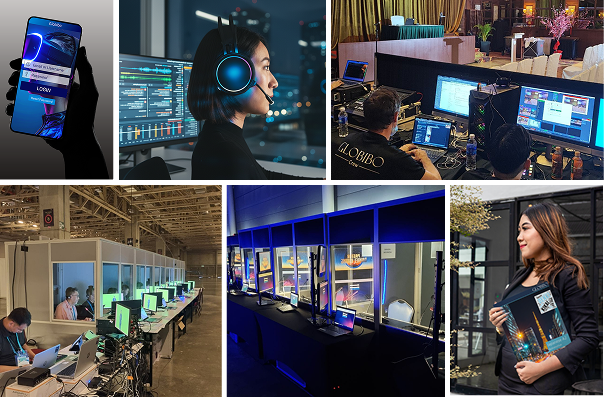
Event technology has undergone a significant transformation since the turn of the millennium. This evolution has been driven by rapid advancements in digital and communication technologies, changing the way events are planned, executed, and experienced. From basic online registration systems to sophisticated AI-driven solutions, the event technology landscape has expanded to encompass a wide array of tools and platforms. This article provides an in-depth exploration of the major developments in event technology from 2000 to the present, highlighting key innovations, trends, and their impacts on the industry.
Early 2000s: The Digital Foundation
Online Registration and Ticketing
The early 2000s marked the beginning of the digital revolution in event management. Traditional paper-based registration and ticketing systems were gradually replaced by online platforms, making the process more efficient and accessible.
- Online Registration Systems: Platforms like Eventbrite and Cvent began to offer online registration solutions, allowing attendees to sign up for events through the internet. This shift not only streamlined the registration process but also enabled event organizers to collect and manage attendee data more effectively.
- E-Ticketing: The advent of e-ticketing systems eliminated the need for physical tickets. Attendees could receive their tickets via email or mobile apps, reducing costs and enhancing convenience.
Event Websites
The creation of dedicated event websites became a standard practice. These websites served as central hubs for event information, including schedules, speaker bios, venue details, and sponsorship opportunities.
- Content Management Systems (CMS): CMS platforms like WordPress and Joomla empowered event organizers to build and manage their websites with ease, even without extensive technical knowledge.
Communication Tools

Email marketing has emerged as a powerful tool for event promotion and attendee engagement. Platforms like Mailchimp and Constant Contact enabled organizers to send personalized invitations, reminders, and updates.
Mid to Late 2000s: Social Media and Mobile Integration
Social Media Platforms
The rise of social media platforms such as Facebook, Twitter, and LinkedIn revolutionized event marketing and attendee engagement.
- Event Promotion: Social media allowed organizers to reach broader audiences, create event pages, and engage with potential attendees through targeted advertising and organic content.
- Live Updates and Engagement: During events, social media platforms facilitated real-time updates, live tweeting, and attendee interactions, enhancing the overall experience.
Mobile Technology

The proliferation of smartphones and mobile apps brought event management to attendees’ fingertips.
- Mobile Event Apps: Customizable event apps provide features such as schedules, maps, networking tools, and push notifications, enhancing attendee experience and engagement.
- QR Codes: QR codes became popular for check-ins and accessing event-related information, streamlining the attendee experience.
2010s: The Era of Data and Analytics
Advanced Event Management Software
Event management software has evolved to include more sophisticated features, integrating various aspects of event planning and execution.
- Comprehensive Solutions: Platforms like Eventbrite, Cvent, and Bizzabo offered end-to-end solutions, including registration, ticketing, marketing, analytics, and post-event reporting.
Data Analytics and Insights

The integration of data analytics transformed how events were planned and evaluated.
- Attendee Data: Collecting and analyzing attendee data allowed organizers to understand demographics, preferences, and behaviors, leading to more personalized and effective event strategies.
- Real-Time Analytics: Real-time analytics provided insights into attendee engagement, session popularity, and overall event performance, enabling organizers to make informed decisions on the fly.
Networking Tools
Enhanced networking tools facilitated meaningful connections among attendees.
- Matchmaking Algorithms: AI-powered matchmaking algorithms connected attendees with similar interests, fostering valuable networking opportunities.
- Virtual Meeting Rooms: Virtual meeting rooms and one-on-one chat features within event apps allowed attendees to schedule and conduct meetings seamlessly.
2020s: Virtual and Hybrid Events
Impact of the COVID-19 Pandemic
The COVID-19 pandemic catalyzed a dramatic shift towards virtual and hybrid events, driven by the need for social distancing and travel restrictions.
- Virtual Event Platforms: Platforms like Zoom, Microsoft Teams, and Hopin emerged as essential tools for hosting virtual events, offering features such as live streaming, breakout rooms, and interactive Q&A sessions.
- Hybrid Events: Hybrid events, combining in-person and virtual elements, became the new norm. This approach expanded reach and accessibility, allowing remote attendees to participate alongside those physically present.
Advanced Technologies
The 2020s have seen the integration of cutting-edge technologies to enhance event experiences.
- Artificial Intelligence (AI): AI-powered chatbots and virtual assistants provided real-time support and information to attendees, improving customer service and engagement.
- Augmented Reality (AR) and Virtual Reality (VR): AR and VR technologies created immersive experiences, from virtual venue tours to interactive exhibits and gamified elements.
Key Trends in Event Technology
Personalization and Customization
The demand for personalized experiences has driven the development of technologies that cater to individual attendee preferences.
- Personalized Agendas: Event apps generate personalized agendas based on attendees’ interests and session selections.
- Tailored Content: AI algorithms recommend relevant content, sessions, and networking opportunities, enhancing attendee engagement.
Sustainability and Green Technologies
Sustainability has become a critical consideration in event planning, leading to the adoption of green technologies.
- Paperless Events: Digital solutions such as e-tickets, mobile apps, and digital signage reduce paper waste.
- Eco-Friendly Venues: Event organizers are increasingly choosing venues with sustainable practices, such as energy-efficient lighting and waste reduction initiatives.
Future Outlook
The future of event technology promises continued innovation and integration of emerging technologies.
Blockchain Technology
Blockchain technology has the potential to revolutionize event management by enhancing security, transparency, and efficiency.
- Secure Ticketing: Blockchain can prevent ticket fraud and scalping through secure, traceable transactions.
- Smart Contracts: Smart contracts automate and enforce agreements between organizers, vendors, and attendees, reducing administrative overhead.
Internet of Things (IoT)
IoT devices will play a significant role in creating more connected and interactive event experiences.
- Smart Badges: IoT-enabled badges can track attendee movement and engagement, providing valuable data for organizers.
- Interactive Installations: IoT devices enable interactive installations and exhibits, enhancing attendee engagement and experience.
Major Milestones in Event Technology (2000-2020)
-
Early 2000s: Digital Foundation
- Online Registration Systems
- E-Ticketing
- Event Websites
- Email Marketing
-
Mid to Late 2000s: Social Media and Mobile Integration
- Social Media Platforms
- Mobile Event Apps
- QR Codes
-
2010s: Data and Analytics
- Advanced Event Management Software
- Data Analytics and Insights
- Networking Tools
-
2020s: Virtual and Hybrid Events
- Virtual Event Platforms
- Hybrid Events
- AI and VR/AR Technologies
Key Technologies Shaping Future Events
-
Blockchain Technology
- Secure Ticketing
- Smart Contracts
-
Internet of Things (IoT)
- Smart Badges
- Interactive Installations
Event Technology Evolution Timeline
| Year | Key Developments | Impact |
| 2000-2005 | Online Registration Systems, E-Ticketing | Streamlined registration, reduced costs |
| 2005-2010 | Social Media Integration, Mobile Event Apps | Enhanced engagement, broader reach |
| 2010-2015 | Advanced Event Management Software, Data Analytics | Improved planning and execution, personalized experiences |
| 2015-2020 | AI and VR/AR Technologies, Virtual Event Platforms | Immersive experiences, adaptation to remote participation |
Conclusion of Event Technology
The evolution of event technology since 2000 has been marked by significant advancements that have transformed the industry. From the initial digital foundations to the current era of AI and virtual events, technology has continuously shaped and enhanced the way events are organized and experienced. As we look to the future, emerging technologies like blockchain and IoT promise to further revolutionize event management, offering new opportunities for security, interactivity, and personalization. Event organizers must stay abreast of these technological trends to deliver innovative and engaging experiences that meet the evolving expectations of attendees.
Academic References for Event Technology
- [BOOK] The 21st century meeting and event Technologies: Powerful tools for better planning, marketing, and evaluation
- Past, present, future major sport event management practice: The practitioner perspective
- Evolution and issue patterns for major-sport-event organizing committees and their stakeholders
- The pressure of technological innovations in meeting and event industry under the COVID-19 influence
- Discovering event evolution graphs from news corpora
- An exploration of events research: event topics, themes and emerging trends
- Maize transformation technology development for commercial event generation
- Discrete-event simulation: from the pioneers to the present, what next?
- Event studies: Discourses and future directions