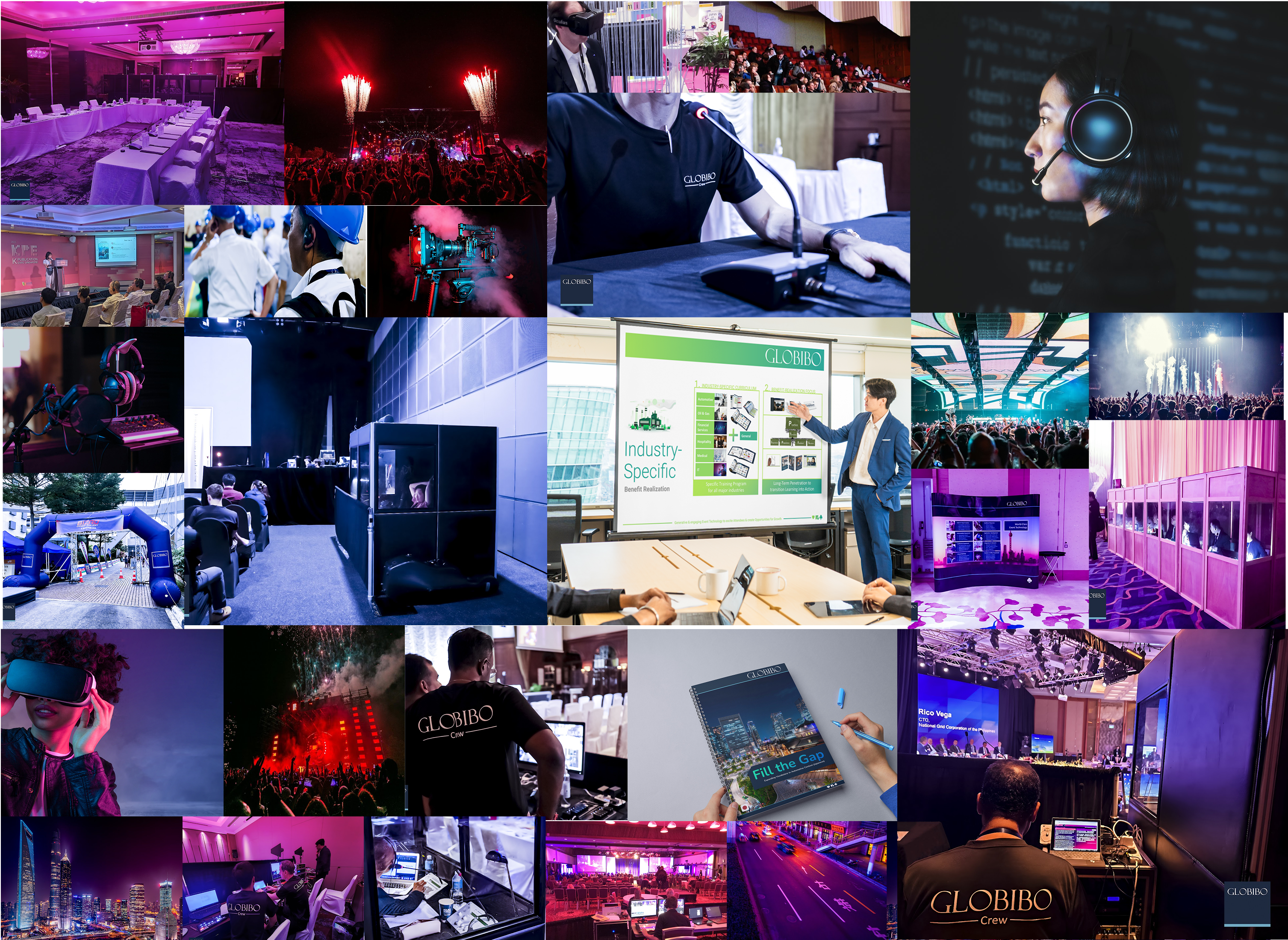
Event management technology has become a cornerstone for successfully planning, executing, and analyzing events. This technology streamlines the process, improves efficiency, and enhances the attendee experience. To harness these benefits, it is crucial to understand the must-have properties of effective event technology.
1. Comprehensive Event Planning Tools

1.1 Event Scheduling and Timeline Management
Efficient scheduling and timeline management are essential for coordinating various event activities. Key features should include:
- Calendar Integration: Syncing with popular calendar apps for real-time updates.
- Task Assignment: Allocating specific tasks to team members with deadlines.
- Automated Reminders: Notifications for upcoming tasks and deadlines.
1.2 Budgeting and Expense Tracking
Keeping track of the budget and expenses ensures financial control over the event. Important features are:
- Budget Templates: Predefined templates for different event types.
- Expense Categorization: Classifying expenses for better tracking.
- Real-Time Budget Monitoring: Live updates on budget status and remaining funds.
2. Advanced Registration and Ticketing Systems
2.1 Online Registration Platforms
A seamless registration process enhances attendee experience and data collection. Features include:
- Customizable Registration Forms: Tailoring forms to capture relevant attendee information.
- Multiple Payment Gateways: Providing various payment options for convenience.
- Automated Confirmation Emails: Sending immediate confirmation upon registration.
2.2 Ticketing Solutions

Efficient ticketing solutions streamline sales and access control. Must-have features are:
- E-Ticket Generation: Issuing digital tickets with QR codes for easy scanning.
- Tiered Ticket Pricing: Offering different pricing levels and packages.
- On-Site Ticket Sales: Facilitating last-minute sales at the venue.
3. Robust Attendee Management
3.1 Attendee Check-In and Badge Printing
Efficient check-in processes reduce wait times and enhance security. Key features include:
- QR Code Scanning: Quick check-in via mobile devices.
- On-Site Badge Printing: Immediate badge generation for attendees.
- Self-Service Kiosks: Allowing attendees to check-in themselves.
3.2 Attendee Engagement Tools
Engagement tools keep attendees involved and improve their overall experience. Features are:
- Mobile Event Apps: Providing schedules, maps, and networking tools.
- Live Polling and Q&A: Facilitating interaction during sessions.
- Social Media Integration: Encouraging social sharing and interaction.
4. Effective Communication Platforms
4.1 Email Marketing and Communication
Effective communication is crucial for promoting the event and keeping attendees informed. Features should include:
- Email Templates: Pre-designed templates for various communication needs.
- Segmentation: Targeting specific groups with tailored messages.
- Analytics: Tracking open rates, click-through rates, and engagement.
4.2 Push Notifications
Real-time updates via push notifications keep attendees informed. Key features are:
- Instant Notifications: Immediate alerts for schedule changes or important announcements.
- Personalized Messages: Tailoring notifications based on attendee preferences.
- Integration with Mobile Apps: Ensuring seamless delivery of notifications.
5. Data Analytics and Reporting
5.1 Real-Time Data Collection
Collecting data during the event provides insights for improvement. Features include:
- Surveys and Feedback Forms: Gathering attendee opinions and suggestions.
- Live Data Dashboards: Visualizing data in real-time for quick decision-making.
- Heat Maps: Tracking attendee movement and engagement within the venue.
5.2 Post-Event Analysis
Analyzing post-event data helps in evaluating success and planning future events. Key features are:
- Detailed Reports: Comprehensive analysis of various event metrics.
- ROI Calculation: Assessing the financial return on investment.
- Attendee Satisfaction Scores: Evaluating overall attendee experience.
6. Seamless Integration Capabilities
6.1 CRM and Marketing Tools
Integrating with CRM and marketing tools enhances attendee management and promotion. Must-have features include:
- CRM Integration: Syncing attendee data with customer relationship management systems.
- Marketing Automation: Automated workflows for email campaigns and social media promotion.
- Lead Management: Tracking and nurturing leads generated from the event.
6.2 Payment Gateways and Financial Systems
Integration with financial systems ensures smooth transactions and financial management. Key features are:
- Secure Payment Processing: Ensuring compliance with security standards.
- Multi-Currency Support: Facilitating international transactions.
- Financial Reporting: Generating detailed financial reports for accounting purposes.
7. Security and Compliance
7.1 Data Security
Protecting attendee and organizational data is paramount. Features include:
- Encryption: Securing data transmission and storage.
- Access Controls: Restricting access to sensitive information.
- Compliance with Regulations: Adhering to GDPR, CCPA, and other data protection laws.
7.2 Event Security

Ensuring the safety of attendees and the venue is crucial. Key features are:
- Access Control Systems: Managing entry and exit points with digital passes.
- Surveillance and Monitoring: Utilizing cameras and monitoring systems.
- Emergency Response Plans: Preparing for potential emergencies with predefined protocols.
8. User-Friendly Interface and Support
8.1 Intuitive Interface
A user-friendly interface ensures ease of use for organizers and attendees. Features include:
- Drag-and-Drop Functionality: Simplifying event setup and management.
- Customizable Dashboards: Tailoring the interface to individual needs.
- Multilingual Support: Offering the platform in multiple languages for global users.
8.2 Customer Support

Reliable customer support is essential for addressing issues promptly. Key features are:
- 24/7 Support: Providing round-the-clock assistance.
- Knowledge Base: Offering self-help resources and tutorials.
- Live Chat: Enabling real-time support through chat.
Comparison of Event Management Technology Features
| Feature | Description | Importance Level |
| Calendar Integration | Syncing with calendar apps | High |
| Automated Reminders | Notifications for tasks | High |
| Customizable Registration Forms | Tailoring registration process | High |
| E-Ticket Generation | Issuing digital tickets | Medium |
| QR Code Scanning | Quick check-in process | High |
| Mobile Event Apps | Enhancing attendee engagement | High |
| Push Notifications | Real-time updates | Medium |
| Live Data Dashboards | Visualizing data in real-time | High |
| CRM Integration | Syncing with customer relationship systems | Medium |
| Encryption | Securing data transmission | High |
| Drag-and-Drop Functionality | Simplifying event management | Medium |
| 24/7 Support | Providing continuous assistance | High |
Key Benefits of Advanced Event Management Technology
-
Efficiency and Time Management
- Automated scheduling and reminders reduce manual work.
- Streamlined registration and ticketing processes save time.
-
Enhanced Attendee Experience
- Mobile apps and engagement tools improve interaction.
- Real-time updates and notifications keep attendees informed.
-
Data-Driven Decision-Making
- Real-time data collection and analysis provide actionable insights.
- Post-event reports help in evaluating success and planning improvements.
Essential Security Features in Event Management Technology
-
Data Security
- Encryption ensures secure data transmission and storage.
- Access controls limit access to sensitive information.
-
Event Security
- Digital passes manage entry and exit points effectively.
- Surveillance systems monitor the venue for safety.
Conclusion of Event Management Technology
In conclusion, event management technology plays a pivotal role in the successful execution of events. By incorporating comprehensive planning tools, advanced registration systems, robust attendee management, effective communication platforms, data analytics, seamless integration capabilities, and strong security measures, event organizers can ensure a smooth and efficient event experience. Prioritizing these must-have properties in event management technology not only enhances operational efficiency but also significantly improves attendee satisfaction and engagement.
Academic References for Event Management Technology
- Security information and event management in the cloud computing infrastructure
- [PDF] Critical capabilities for security information and event management
- [PDF] The complete guide to log and event management
- [BOOK] Events management
- Security and reliability requirements for advanced security event management
- New perspectives and evaluation of training for Event Management
- Proactive supply-chain event management with agent technology
- Event management education and professionalism: The view from the trenches
- Advanced event management system
-
Information systems for large-scale event management: a case study