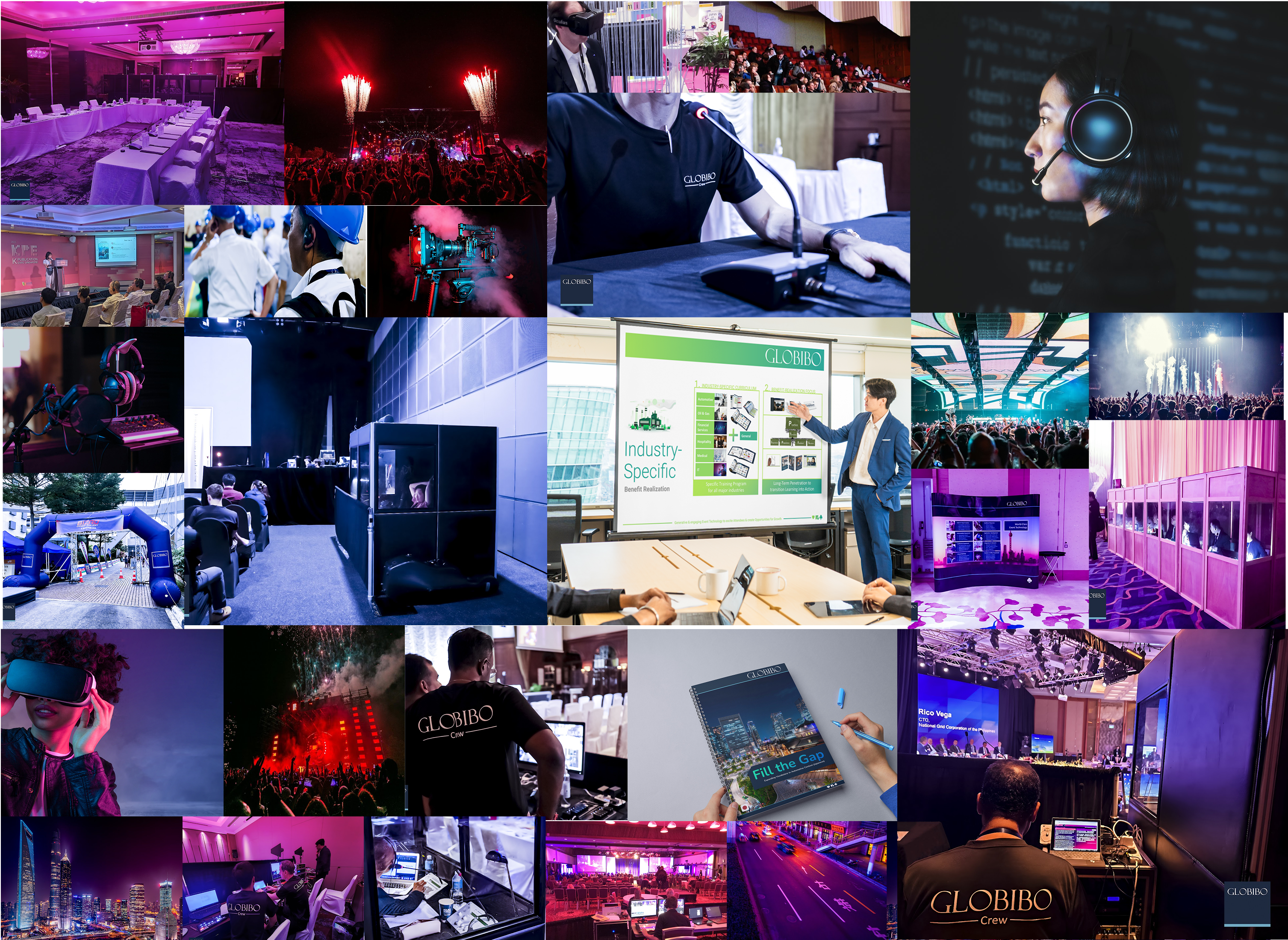
In the contemporary business landscape, conferences serve as pivotal events for knowledge dissemination, networking, and strategic planning. The success of these conferences hinges Interpretation serviceson various factors, among which Audio Visual (AV) equipment plays a crucial role. This article delves into the technical aspects and significance of AV equipment in ensuring the success of a conference, suppor

ted by structured lists and data presented in table format.
The evolution of conference technology has transitioned from basic microphone and projector setups to sophisticated AV systems that encompass high-definition displays, advanced sound systems, and interactive tools. The integration of cutting-edge AV equipment is not merely a luxury but a necessity for achieving effective communication and engagement during conferences.
Technical Components of AV Equipment
Audio Equipment
- Microphones
- Types: Wired, Wireless, Lapel, Handheld
- Features: Noise cancellation, Frequency response, Range
- Speakers
- Types: Line array, Subwoofers, Monitors
- Features: Power output, Coverage angle, Frequency range
- Mixing Consoles
- Types: Analog, Digital
- Features: Channels, Effects processing, Connectivity options
Visual Equipment
- Projectors
- Types: LCD, DLP, Laser
 Features: Resolution, Brightness (lumens), Throw ratio
- Displays
- Types: LED, LCD, OLED
- Features: Screen size, Resolution, Viewing angle
- Cameras
- Types: PTZ (Pan-Tilt-Zoom), Fixed, 4K/HD
- Features: Zoom capabilities, Frame rate, Connectivity
Interactive Tools
- Touchscreens
- Types: Capacitive, Resistive
- Features: Multi-touch capability, Screen size, Durability
- Audience Response Systems
- Types: Hardware-based, Software-based
- Features: Real-time feedback, Data analytics, Integration with other systems
- Virtual Reality (VR) and Augmented Reality (AR)
- Features: Immersive experiences, Interactive content, Hardware requirements
Importance of AV Equipment in Conferences
Enhanced Communication

Effective communication is paramount in any conference setting. High-quality microphones and speakers ensure that every word spoken by the presenters is heard clearly by all attendees, regardless of the size of the venue. Advanced audio systems also enable seamless integration of multimedia content, enhancing the overall auditory experience.
Visual Clarity
Visual aids are integral to retaining audience attention and conveying complex information succinctly. High-resolution projectors and displays facilitate clear and vibrant presentations, making data and graphical content easily comprehensible. This visual clarity is essential for maintaining engagement and ensuring the effective transmission of information.
Interactive Engagement
Modern conferences increasingly incorporate interactive elements to foster audience participation. Interactive tools such as touchscreens and audience response systems enable real-time engagement, allowing attendees to interact with the content and contribute to discussions actively. VR and AR technologies further elevate the interactive experience, providing immersive environments for demonstrating products or concepts.
Technical Reliability
The reliability of AV equipment is critical in avoiding disruptions during a conference. Advanced AV systems are designed to provide consistent performance, minimizing the risk of technical failures. Features such as redundant power supplies, network connectivity, and remote monitoring contribute to the dependable operation of these systems.
Data Presentation in Table Format
The table below summarizes key features and considerations for selecting AV equipment for conferences:
| Equipment Type | Key Features | Technical Considerations |
| Microphones | Noise cancellation, Frequency response, Range | Compatibility with sound system, Durability |
| Speakers | Power output, Coverage angle, Frequency range | Venue size, Acoustic environment |
| Mixing Consoles | Channels, Effects processing, Connectivity | Ease of use, Integration capabilities |
| Projectors | Resolution, Brightness, Throw ratio | Room lighting, Screen size |
| Displays | Screen size, Resolution, Viewing angle | Mounting options, Connectivity |
| Cameras | Zoom capabilities, Frame rate, Connectivity | Placement, Lighting conditions |
| Touchscreens | Multi-touch capability, Screen size, Durability | Sensitivity, Usability |
| Audience Response Systems | Real-time feedback, Data analytics, Integration | User interface, Data security |
| VR/AR Tools | Immersive experiences, Interactive content | Hardware requirements, Content creation |
Checklist for Selecting AV Equipment
- Assessing Venue Requirements
- Room size and layout
- Acoustic properties
- Lighting conditions
- Determining Audience Needs
- Number of attendees
- Accessibility requirements
- Engagement and interaction preferences
- Evaluating Technical Specifications
- Compatibility with existing systems
- Scalability and flexibility
- Reliability and support options
- Budget Considerations
- Initial cost vs. long-term value
- Maintenance and operational expenses
- Potential for future upgrades
Best Practices for AV Setup and Management
- Pre-Event Planning
- Conducting a site survey
- Identifying potential technical challenges
- Developing a detailed AV plan
- Equipment Setup
- Positioning and calibrating audio equipment
- Setting up and testing visual displays
- Configuring interactive tools
- Testing and Rehearsals
- Running full-system tests
- Conducting dry runs with presenters
- Adjusting settings based on feedback
- On-Site Support
- Providing technical assistance during the event
- Monitoring system performance
- Addressing any issues promptly
- Post-Event Review
- Collecting feedback from attendees
- Analyzing system performance data
- Making improvements for future events
Conclusion
The importance of audio visual equipment in a successful conference cannot be overstated. High-quality AV systems enhance communication, ensure visual clarity, and promote interactive engagement, all of which are crucial for achieving the objectives of the conference. By carefully selecting and managing AV equipment, conference organizers can create a seamless and impactful experience for all participants.
Advanced planning, technical expertise, and a keen understanding of the specific requirements of the event are essential for leveraging the full potential of AV technology. As conferences continue to evolve, the role of sophisticated AV systems will only become more pronounced, underscoring their importance in delivering successful and memorable events.
<
/p>
Academic References on Audio Visual Equipment
- A software system for the audiovisual monitoring of an intelligent meeting room in support of scientific and education activities
- Effective use of audio–visual equipment and materials in classroom teaching
- [PDF] Effective Design of Audio/Video Conference Rooms
- Audiovisual aids application in the secondary-level vocational education establishments: Efficiency analysis and assessment
- Principles of Administering Audio–Visual Programs
- Using audio, visual, and lexical features in a multi-modal virtual meeting director
- Audio–visual research: Where to find it
- Audio–visual processing in meetings: Seven questions and current AMI answers
- Toward More Effective Utilization of Audio–Visual Materials and Devices
- Teacher competence in the use of audio–visual materials