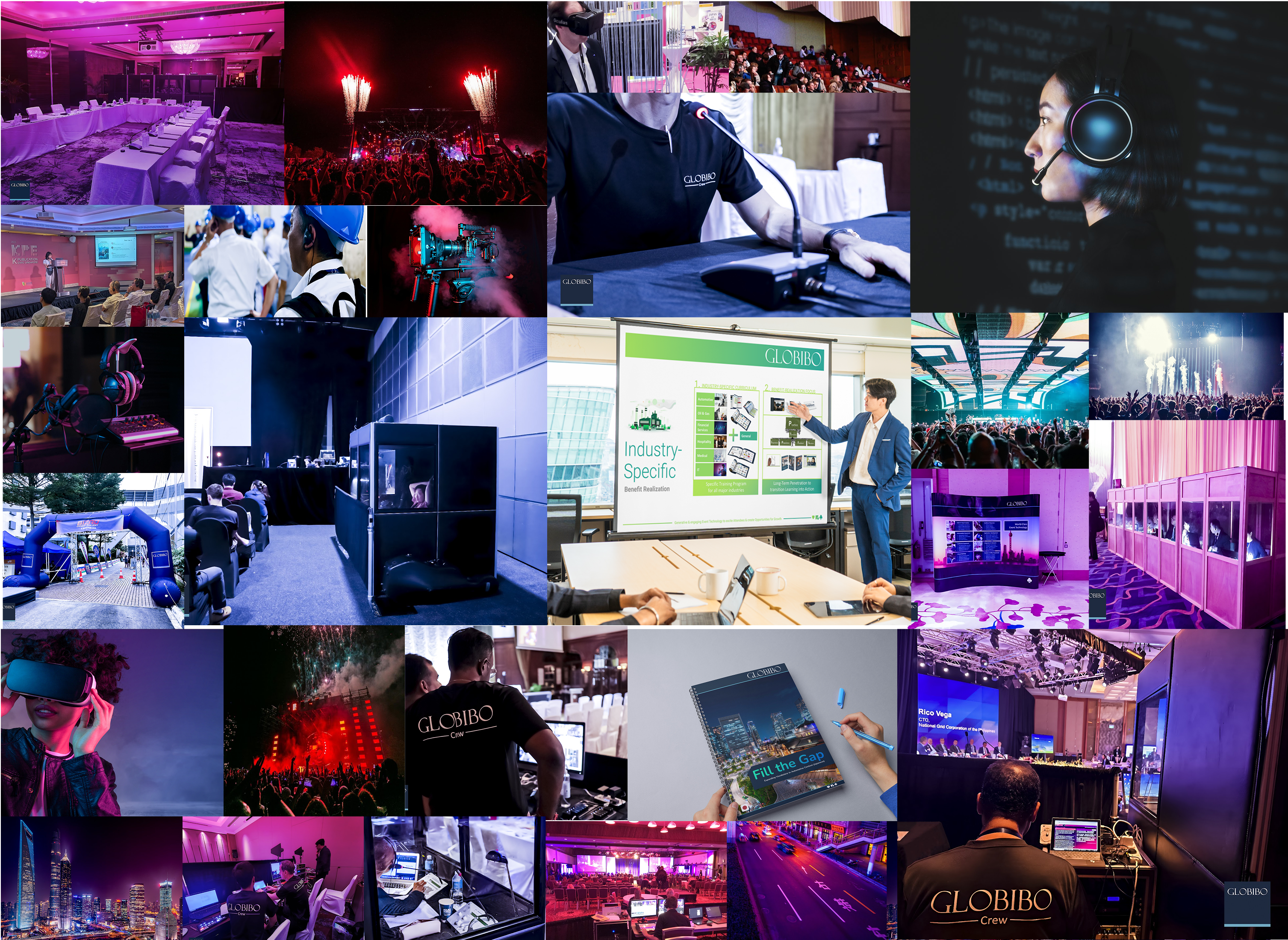
Organizing a successful conference requires meticulous planning and execution, and a critical component of this process is the selection of the right conference equipment. The appropriate equipment ensures seamless communication, enhances participant engagement, and supports the overall objective of the event. This article delves into the various types of conference equipment, their technical specifications, and how they contribute to the effectiveness of a conference. Additionally, we will present two structured lists and provide some information in table format to facilitate better understanding.
Importance of Conference Equipment
Enhances Communication
Effective communication is the backbone of any successful conference. High-quality audio and visual equipment ensure that speakers are heard clearly and presentations are seen vividly by all attendees, regardless of their location in the venue.
Boosts Engagement
Interactive tools such as audience response systems and live polling devices can significantly enhance participant engagement. These tools allow for real-time feedback and participation, making the conference more dynamic and interactive.
Facilitates Information Sharing
Modern conference equipment, such as digital projectors, document cameras, and smart boards, facilitate seamless information sharing. These devices enable presenters to share data, charts, and multimedia content effectively, ensuring that all attendees are on the same page.
Ensures Professionalism
The use of state-of-the-art equipment adds a layer of professionalism to the event. It reflects the organizer’s commitment to quality and attention to detail, thereby enhancing the overall perception of the event.
Types of Conference Equipment
Audio Equipment
- Microphones: Various types of microphones, including lapel, handheld, and boundary microphones, are essential for capturing clear audio from speakers.
- Speakers and Amplifiers: High-quality speakers and amplifiers ensure that the sound is evenly distributed throughout the venue.
- Mixing Consoles: These devices are used to control audio levels and ensure a balanced sound output.
Visual Equipment
- Projectors and Screens: Essential for displaying presentations, videos, and other visual content.
- LED and LCD Displays: These are used for high-definition video playback and can be placed at strategic locations for better visibility.
- Cameras: For recording the event or live streaming it to remote participants.
Interactive Tools
- Audience Response Systems: Enable real-time feedback and interaction from the audience.
- Smart Boards: Interactive whiteboards that allow presenters to draw, write, and interact with digital content.
- Tablets and Touchscreens: For interactive sessions and digital note-taking.
Networking Equipment
- Wi-Fi Routers and Access Points: Ensure reliable internet connectivity for attendees.
- Networking Switches: Used to connect multiple devices within the venue.
- Cables and Connectors: Various types of cables and connectors to ensure compatibility between different devices.
Key Audio Equipment Specifications
| Equipment | Key Specifications | Importance |
| Microphones | Frequency Response, Sensitivity, Polar Pattern | Clear audio capture, minimizing background noise |
| Speakers | Power Output, Frequency Range, Coverage Angle | Even sound distribution, clarity, and volume control |
| Amplifiers | Power Rating, THD, Signal-to-Noise Ratio | Boosting audio signals, maintaining sound quality |
| Mixing Consoles | Number of Channels, EQ Options, Connectivity | Audio level control, sound mixing and balancing |
Detailed Explanation
- Microphones:
- Frequency Response: Determines the range of frequencies the microphone can pick up, essential for capturing both high and low tones.
- Sensitivity: Indicates how well the microphone can capture soft sounds.
- Polar Pattern: Defines the directionality of the microphone, crucial for minimizing background noise.
- Speakers:
- Power Output: Measured in watts, it determines the loudness of the speakers.
- Frequency Range: Indicates the range of sounds the speaker can reproduce, ensuring clarity across different audio spectra.
- Coverage Angle: Ensures sound is distributed evenly across the venue.
- Amplifiers:
- Power Rating: Indicates the maximum power output, ensuring adequate amplification without distortion.
- Total Harmonic Distortion (THD): A lower THD value means better sound quality.
- Signal-to-Noise Ratio (SNR): A higher SNR indicates less background noise.
- Mixing Consoles:
- Number of Channels: Determines how many audio sources can be mixed simultaneously.
- EQ Options: Equalization settings allow for fine-tuning of audio frequencies.
- Connectivity: Various input and output options ensure compatibility with other audio equipment.
Key Visual Equipment Specifications
| Equipment | Key Specifications | Importance |
| Projectors | Resolution, Brightness, Contrast Ratio | Clear and vibrant display of visual content |
| LED/LCD Displays | Resolution, Refresh Rate, Viewing Angle | High-definition video playback, wide visibility |
| Cameras | Resolution, Frame Rate, Zoom Capabilities | High-quality video recording and streaming |
| Interactive Boards | Touch Sensitivity, Connectivity, Software | Enhanced interactivity and digital content manipulation |
Detailed Explanation
- Projectors:
- Resolution: Higher resolution ensures clearer and more detailed images.
- Brightness: Measured in lumens, higher brightness levels are crucial for visibility in well-lit environments.
- Contrast Ratio: Higher contrast ratios provide better differentiation between light and dark areas.
- LED/LCD Displays:
- Resolution: Determines the clarity of the display; higher resolutions provide better image quality.
- Refresh Rate: Higher refresh rates reduce motion blur in video playback.
- Viewing Angle: Wider viewing angles ensure clear visibility from different positions in the venue.
- Cameras:
- Resolution: Higher resolutions capture more detail.
- Frame Rate: Higher frame rates ensure smooth video playback.
- Zoom Capabilities: Optical zoom allows for close-up shots without losing quality.
- Interactive Boards:
- Touch Sensitivity: Higher sensitivity allows for more precise interaction.
- Connectivity: Multiple connectivity options (e.g., USB, HDMI) ensure compatibility with other devices.
- Software: Robust software support enhances the functionality of the board.
The Role of Networking Equipment
Reliable networking equipment is essential for modern conferences, especially those that involve live streaming, remote participation, or real-time data sharing. Key components include:
Wi-Fi Routers and Access Points
- Bandwidth: High bandwidth ensures multiple devices can connect without speed degradation.
- Range: Extended range access points ensure coverage across large venues.
- Security Features: Advanced security protocols protect data transmitted over the network.
Networking Switches
- Port Count: Determines how many devices can be connected.
- Speed: Gigabit switches ensure fast data transfer rates.
- Management Features: Managed switches offer greater control over network traffic.
Cables and Connectors
- Type: Different cables (e.g., HDMI, Ethernet) serve different purposes.
- Length: Adequate length ensures devices can be connected without stretching or tangling.
- Quality: High-quality cables reduce signal loss and interference.
Comparison of Key Equipment Features
| Equipment Type | Key Feature | Specification | Importance |
| Audio | Microphone | Frequency Response | Clear audio capture |
| Speaker | Power Output | Loud and clear sound distribution | |
| Amplifier | THD | Maintains sound quality | |
| Mixing Console | Number of Channels | Audio level control | |
| Visual | Projector | Resolution | Clear visual display |
| LED/LCD Display | Refresh Rate | Smooth video playback | |
| Camera | Frame Rate | Smooth and high-quality video recording | |
| Interactive Board | Touch Sensitivity | Enhanced interactivity | |
| Networking | Wi-Fi Router | Bandwidth | Reliable internet connectivity |
| Networking Switch | Port Count | Connects multiple devices | |
| Cable | Quality | Reduces signal loss and interference |
Conclusion
Choosing the right conference equipment is crucial for the success of any event. The appropriate audio and visual tools ensure clear communication and engagement, while reliable networking equipment supports seamless connectivity and data sharing. By understanding the technical specifications and their importance, event organizers can make informed decisions that enhance the overall effectiveness of their conferences.
Ensuring that your conference equipment meets the highest standards not only improves the experience for attendees but also reflects positively on the professionalism and credibility of the event. Investing in high-quality equipment and understanding its technical aspects is a step towards hosting a successful and impactful conference.
Academic References on Conference Equipment
- [BOOK] Powerful exhibit marketing: The complete guide to successful trade shows, conferences, and consumer shows
- [BOOK] Marketing destinations and venues for conferences, conventions and business events
- [BOOK] Risk management for meetings and events
- [BOOK] Professional event coordination
- [BOOK] Events management
- [BOOK] The Complete Guide to Running Successful Workshops & Seminars: Everything You Need to Know to Plan, Promote and Present a Conference Explained …
- [BOOK] Sustainable event management: A practical guide
- [BOOK] Corporate event project management
- [BOOK] The complete guide to greener meetings and events
- Making the most of your conference journey