Mandarin Chinese is one of the most spoken languages in the world, with over a billion native speakers. As global communication and trade become increasingly international, the ability to speak Mandarin is becoming a valuable asset for both personal and professional growth. Whether you’re traveling, working in a Chinese-speaking environment, or simply want to broaden your cultural understanding, mastering the basics of Mandarin in a short time frame can be an achievable goal.
This Conversational Chinese Language Course is designed to help you start speaking Mandarin within 30 days. Through a structured, systematic approach, this course aims to teach you practical communication skills, making you capable of engaging in simple conversations with native speakers. It leverages cutting-edge technologies and delivery systems to provide a faster, more effective learning experience. Below, we will outline the key elements of this course, how it works, and why it can be a game-changer in your language-learning journey.
Read more on How to Choose the Right Chinese Language Course
Course Overview: Structured Approach to Learning
The Conversational Chinese Language Course is crafted to cater to learners at the beginner level. It focuses on the basics of Mandarin pronunciation, sentence construction, everyday vocabulary, and essential conversational phrases. The course is divided into different phases that progressively build on one another, allowing you to pick up practical language skills quickly.
The following table outlines the major components and phases of the course:
| Phase | Focus Area | Duration | Key Features |
| Phase 1: Introduction to Chinese Pronunciation | Learning Pinyin, tones, and basic pronunciation rules. | 1 Week | Understanding how to read and pronounce Mandarin sounds. |
| Phase 2: Basic Vocabulary and Sentence Structure | Learning the most common phrases and how to build basic sentences. | 1 Week | Mastering essential vocabulary for everyday interactions. |
| Phase 3: Conversational Practice | Engaging in short dialogues and simulated conversations. | 1 Week | Focus on practicing real-world conversations. |
| Phase 4: Cultural Context and Advanced Usage | Exploring nuances of language, gestures, and context-specific phrases. | 1 Week | Becoming familiar with Chinese culture through language. |
| Phase 5: Review and Assessment | Revisiting key topics and assessing language progress. | 1 Week | Testing your skills with mock conversational scenarios. |
Key Features of the Course
Leader in Quality Standards & Government Recognition
The Conversational Chinese Language Course adheres to the highest standards of language instruction, ensuring that learners are receiving an education that is recognized by government authorities and language institutions globally. The course materials and teaching methodology are vetted and updated regularly to ensure the highest educational standards.
Faster Communication through Delivery Centers & System
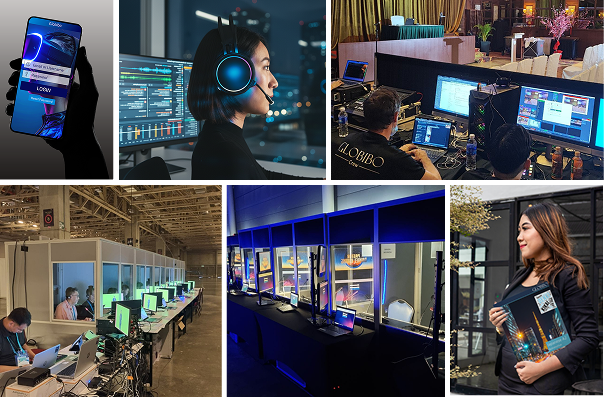
One of the unique aspects of this course is the utilization of multiple delivery centers equipped with the latest technological infrastructure. This system facilitates seamless communication with instructors, access to live sessions, and instant feedback on your progress. Learners can take part in interactive sessions and have their doubts addressed in real time, ensuring that they don’t waste time on misunderstandings or delays.
Faster, Cheaper & Better Delivery through Technologies
Through the integration of modern learning technologies, this course offers a more affordable and accessible way to learn Mandarin. With features like AI-driven language apps, speech recognition tools, and interactive chatbots, learners can practice their pronunciation, grammar, and sentence construction at their own pace and on their schedule. These tools help make the learning process faster, cheaper, and more effective.
Key Learning Areas in the Course
Pronunciation and Pinyin System
Mandarin uses a phonetic system called Pinyin, which is the standard system for teaching Mandarin pronunciation. Learning Pinyin is essential for understanding how Mandarin words are constructed and how to pronounce them correctly. The language’s five distinct tones are crucial in ensuring correct meaning, as a change in tone can alter the meaning of a word entirely.
For example:
- mā (妈) means “mother” (tone 1, flat tone)
- má (麻) means “hemp” (tone 2, rising tone)
- mǎ (马) means “horse” (tone 3, falling-rising tone)
- mà (骂) means “scold” (tone 4, falling tone)
Building Basic Vocabulary and Sentence Structure
Mandarin sentences follow a Subject-Verb-Object (SVO) structure, which is quite similar to English. The key to becoming conversational in Mandarin is building a strong foundation in vocabulary and sentence construction. The course introduces commonly used verbs, nouns, adjectives, and time-related words that are useful for everyday conversations.
Example sentences:
- Nǐ hǎo! (你好) – Hello!
- Wǒ ài nǐ. (我爱你) – I love you.
- Tā shì lǎoshī. (他是老师) – He is a teacher.
Mastering Basic Conversational Phrases
A core component of the course is learning practical phrases for common situations. By the end of the 30-day course, learners will be able to manage greetings, introduce themselves, ask questions, and carry out basic conversations in Mandarin.
Example phrases:
- Nǐ jiào shénme míngzi? (你叫什么名字?) – What’s your name?
- Wǒ bù dǒng. (我不懂) – I don’t understand.
- Qǐng nǐ zài shuō yí biàn. (请你再说一遍) – Please say that again.
Cultural Context and Language Nuances
A critical aspect of learning any language is understanding its cultural context. In the course, learners are introduced to Chinese customs, etiquettes, and ways of communication. This cultural sensitivity will help learners engage in conversations with more authenticity and respect. For example, in Chinese culture, there are certain polite phrases used when addressing elders or superiors.
Interactive Learning and Practice
To accelerate the learning process, the course uses a variety of interactive methods such as quizzes, games, and conversation simulations. These methods encourage active participation, enabling students to practice new vocabulary and phrases in realistic scenarios.
Read more on Chinese sign language
Chinese Language Course Summary
By completing the Conversational Chinese Language Course, learners can achieve a functional proficiency in Mandarin in just 30 days. The course’s unique blend of structured learning, modern technological tools, and cultural immersion provides a comprehensive learning experience. The integration of faster, cheaper, and better delivery technologies ensures that you can learn at your own pace without compromising quality. Whether for personal development, career advancement, or travel, mastering basic Mandarin will open doors to a richer experience in the Chinese-speaking world.
Investing in this course not only equips you with the skills to engage in conversations, but also gives you the confidence to navigate Mandarin-speaking environments. This is the beginning of a rewarding journey into one of the world’s most fascinating languages.
YouTube Videos on Chinese Language Course
Academic References on Chinese Language Course
- The time factor in Mandarin language learning: The four-week intensive versus the regular high school semester
- [BOOK] Mandarin primer: An intensive course in spoken Chinese
- Managing turn entry: The design of EI-prefaced turns in Mandarin conversation
- More than “hello” and “bye-bye”: Opening and closing the online chats in Mandarin Chinese
- [BOOK] Adult-to-child speech and language acquisition in Mandarin Chinese
- An immersive flipped classroom for learning Mandarin Chinese: Design, implementation, and outcomes
- [BOOK] Mandarin Chinese for Beginners: Mastering Conversational Chinese (Fully Romanized and Free Online Audio)
- [PDF] Repairs in Mandarin conversation
- [PDF] Improving the speech recognition performance of beginners in spoken conversational interaction for language learning.
- Inviting in Mandarin: Anticipating the likelihood of the success of an invitation